Perfect Crown presents itself as a romance set inside a constitutional monarchy, but that framing is deliberately misleading. What actually drives the drama is not affection or longing, but the quiet labor of maintaining power in a system that pretends to be modern while remaining deeply hierarchical. Love exists here only insofar as it destabilizes order.
The series gains its weight not from its younger romantic leads, but from two figures who rarely occupy the emotional center of K-dramas: Prime Minister Min Jeong-woo and Queen Dowager Yoon Yi-rang. Their roles reveal what the story is truly examining—how authority survives by suppressing transparency.
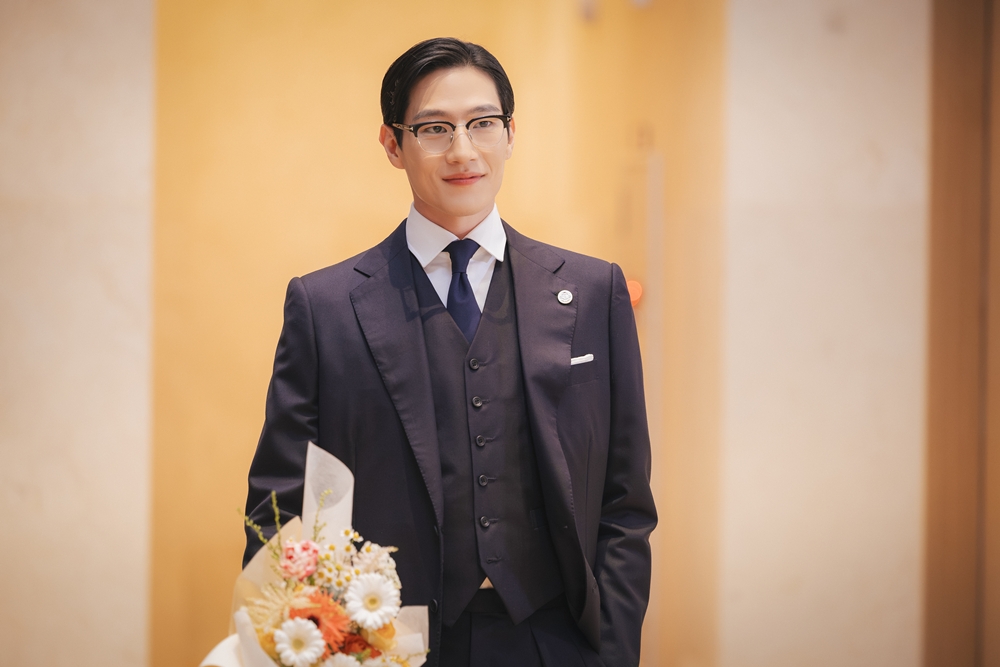
Min Jeong-woo and the Discipline of Political Likability
Min Jeong-woo is not written as a traditional power-hungry politician. Instead, he is defined by composure. His calm demeanor, public warmth, and flawless reputation are not personality traits so much as political infrastructure. In Perfect Crown, credibility is currency, and Min understands this better than anyone.
What matters is not what he wants, but what he consistently refuses to reveal. His emotional restraint mirrors the logic of contemporary politics, where survival depends on appearing neutral while quietly influencing outcomes. Even when personal relationships begin to interfere, his hesitation to act is telling. Desire becomes dangerous the moment it threatens institutional balance.
This makes Min less of a romantic rival and more of a symbolic figure: proof that modern authority no longer relies on dominance, but on the careful management of perception.
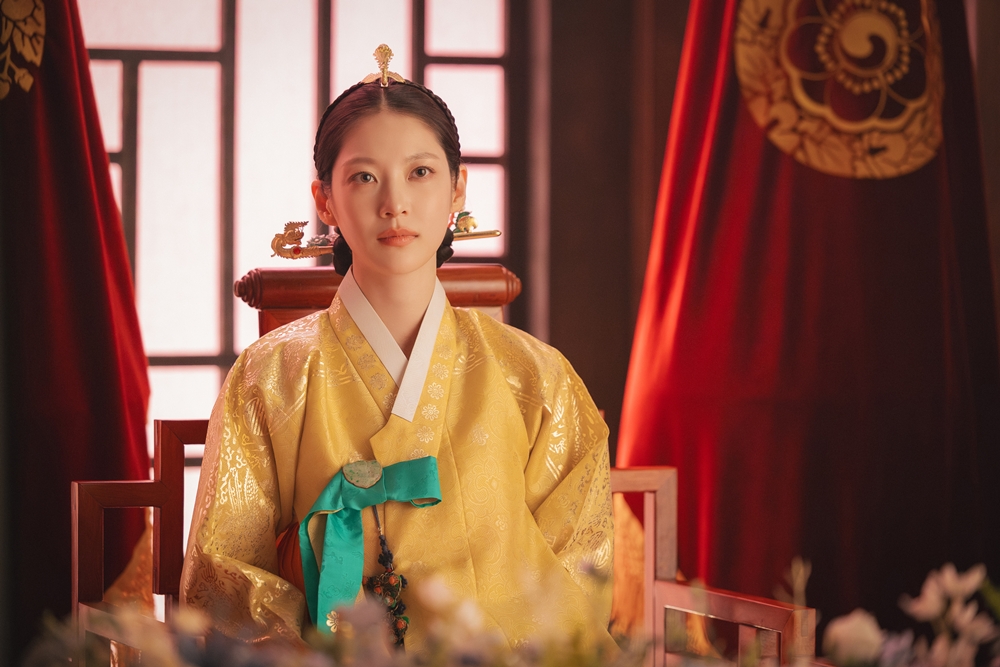
Yoon Yi-rang and the Weight of Inherited Stability
Yoon Yi-rang operates in a different register of power. As Queen Dowager, she does not command attention through action, but through presence. Her authority is historical, ceremonial, and deeply fragile. She represents continuity in a system increasingly dependent on public sentiment rather than bloodline alone.
Her emotional restraint is not elegance—it is armor. Raised to embody perfection without self-expression, Yoon Yi-rang understands that vulnerability is a liability. The moment popular affection shifts elsewhere, her position becomes precarious, exposing a truth the monarchy cannot admit: legitimacy now competes with popularity.
Her anxiety reflects a larger structural fear. In a constitutional monarchy, symbolism must constantly justify itself. Yoon Yi-rang’s struggle is not against individuals, but against the slow erosion of unquestioned reverence.
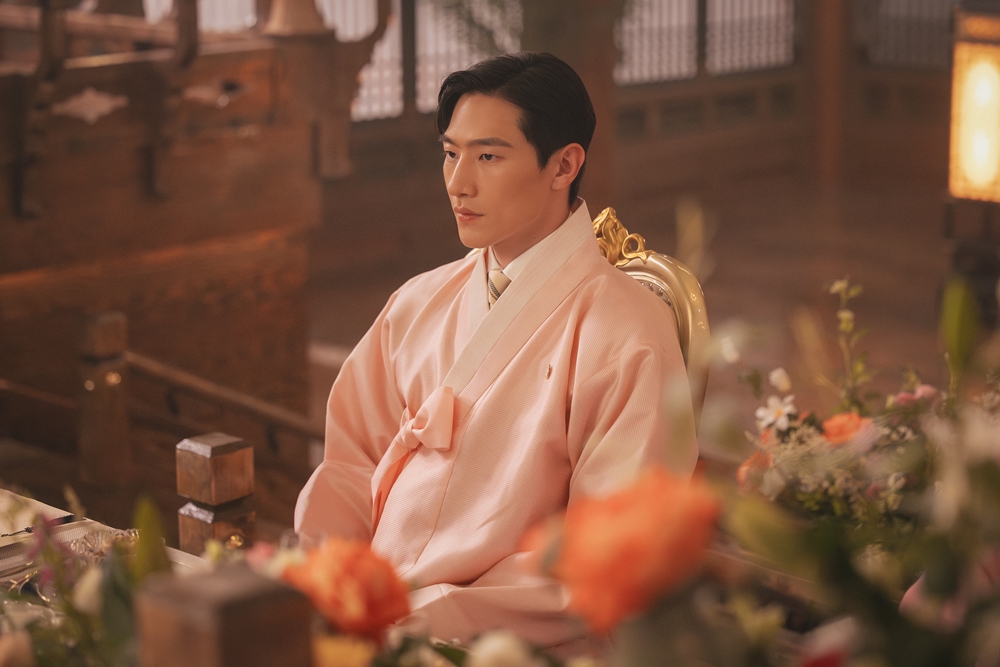
Parallel Authority as the Drama’s Real Axis
Min Jeong-woo and Yoon Yi-rang are rarely positioned as direct counterparts, yet they function as narrative mirrors. One represents elected governance, the other inherited rule, but both depend on self-suppression to remain effective. Neither can afford emotional transparency. Neither can step outside their role without consequences.
Their parallel existence reframes the drama’s conflicts. Romantic relationships feel contractual because, in this world, intimacy is another form of leverage. The story quietly suggests that power today is maintained not by charisma or violence, but by those willing to disappear behind their function.
This is why Perfect Crown feels colder than typical romance-driven dramas. The emotional distance is intentional. It reflects systems that prioritize stability over truth.
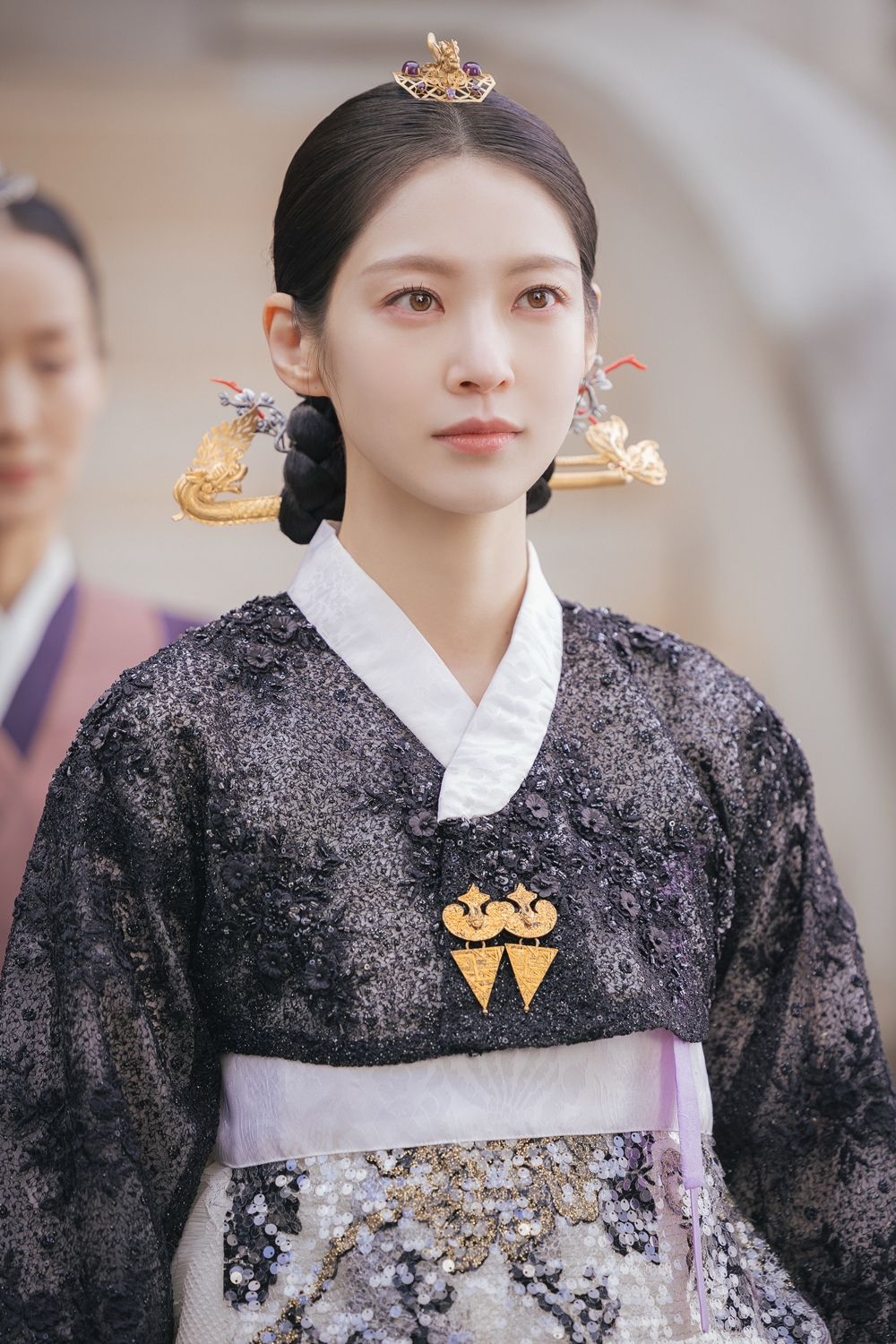
Performance as Structural Precision
The casting reinforces this reading. Roh Sang-hyun plays Min Jeong-woo with controlled minimalism, avoiding overt authority in favor of quiet calculation. His restraint makes the character believable within a modern political framework.
Meanwhile, Gong Seung-yeon gives Yoon Yi-rang a severity that never turns theatrical. Her stillness communicates threat, not fragility. Both performances resist emotional release, aligning perfectly with the drama’s structural concerns.
What Perfect Crown Ultimately Reveals
Rather than challenging hierarchy outright, Perfect Crown exposes how easily it adapts. Progress exists on the surface, but legacy still dictates movement. Love may motivate characters, but it never governs outcomes.
The drama’s most unsettling suggestion is that power today belongs not to those who rebel, but to those who endure—those willing to sacrifice authenticity to keep institutions intact.
A Question That Refuses to Settle
If authority now depends on emotional erasure and symbolic performance, what happens to individuals who can no longer separate themselves from their role? And in a system that rewards stability above all else, is choosing desire ever truly an act of freedom?