
Bloodhounds Season 2 is not expanding because viewers suddenly discovered a new action show. It is expanding because the series understands something many sequels miss: escalation only works when it intensifies the emotional logic of the original world instead of merely enlarging the spectacle. Netflix’s own data shows the series reached No. 2 on the global Top 10 list for non-English TV with 5 million views shortly after release, while also ranking No. 1 in South Korea and entering Top 10 charts across dozens of countries. That kind of reach suggests more than fandom momentum. It suggests the show has become legible to a much broader audience without giving up its Korean genre identity.
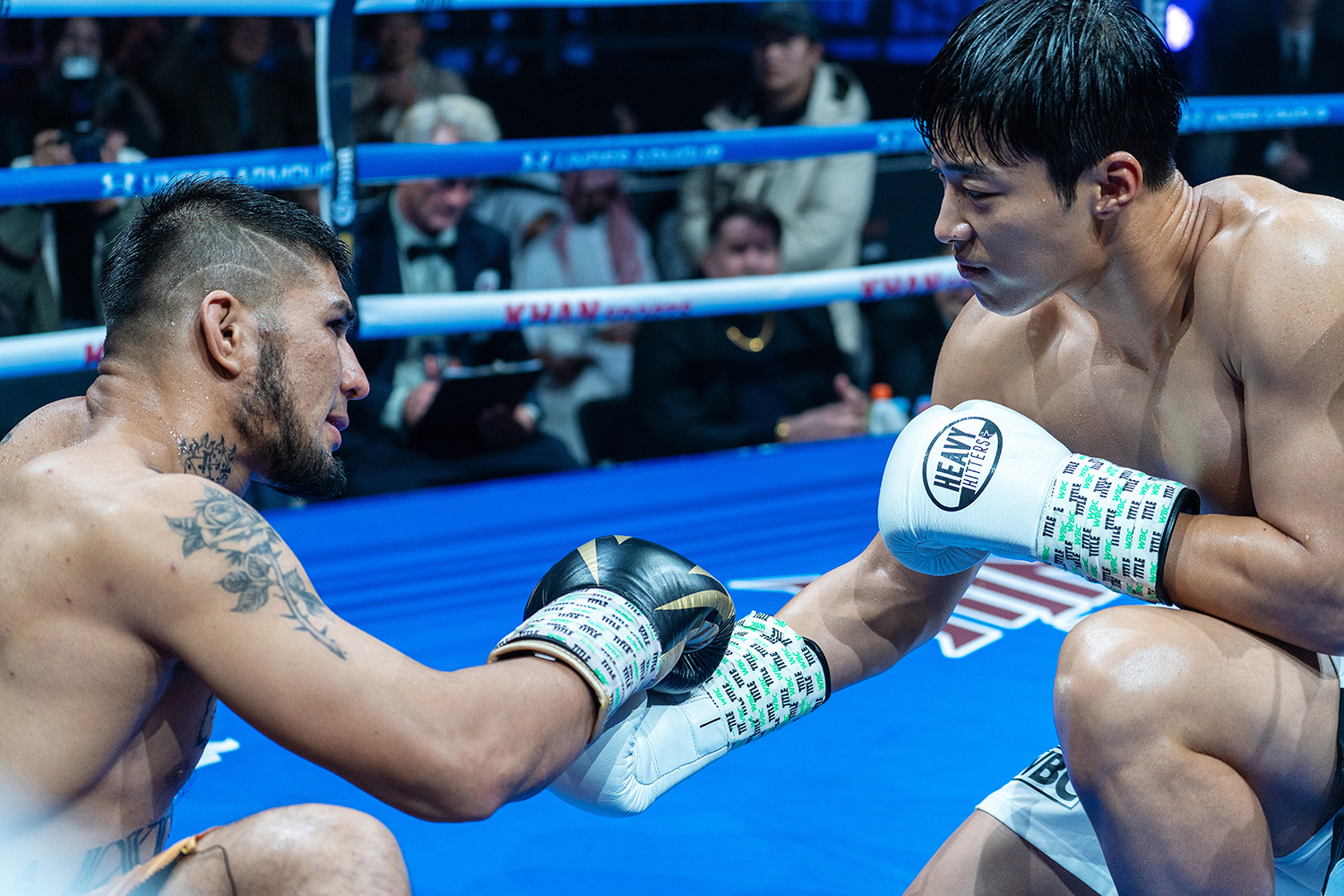
The sequel works because it treats physical violence as moral language
What made the first season memorable was never just the impact of punches. The series used fighting as a way to test sincerity, loyalty, and personal restraint. Season 2 appears to understand that its real hook is not brutality alone but the contrast between brutal environments and characters who still believe decency matters. That is why the show’s action travels well internationally. Even when viewers do not know every cultural reference, they understand what is at stake when violence becomes a measure of ethics rather than style.
This is where the sequel seems sharper than many recent Netflix action continuations. Instead of pivoting into detached franchise logic, it keeps the body at the center of the drama. Bare-knuckle combat is not only a visual brand here. It is the show’s way of asking whether goodness can survive inside systems ruled by money, humiliation, and spectacle. The more global the arena becomes, the more important that question gets.

Gun-woo and Woo-jin matter because the series refuses to make masculinity emotionally empty
A lot of crime-action dramas still rely on male partnership as shorthand: two men joke, fight, and remain loyal, and the audience fills in the rest. Bloodhounds has always aimed for something more specific. The bond between Gun-woo and Woo-jin is not just efficient chemistry. It is the structure that keeps the show from turning cynical. Netflix frames the season as the return of the pair against a global illegal boxing league, but the larger reason viewers keep following them is that their relationship gives the series an internal counterweight to corruption.
That matters because action television often mistakes emotional hardness for narrative maturity. Bloodhounds moves in the opposite direction. It gives its leads warmth, trust, and visible dependence on one another, then places those qualities under pressure. The result is a version of masculinity that feels unusually modern for a revenge-adjacent thriller: physically aggressive, emotionally direct, and resistant to nihilism. In a streaming environment crowded with antiheroes, that can feel surprisingly fresh.
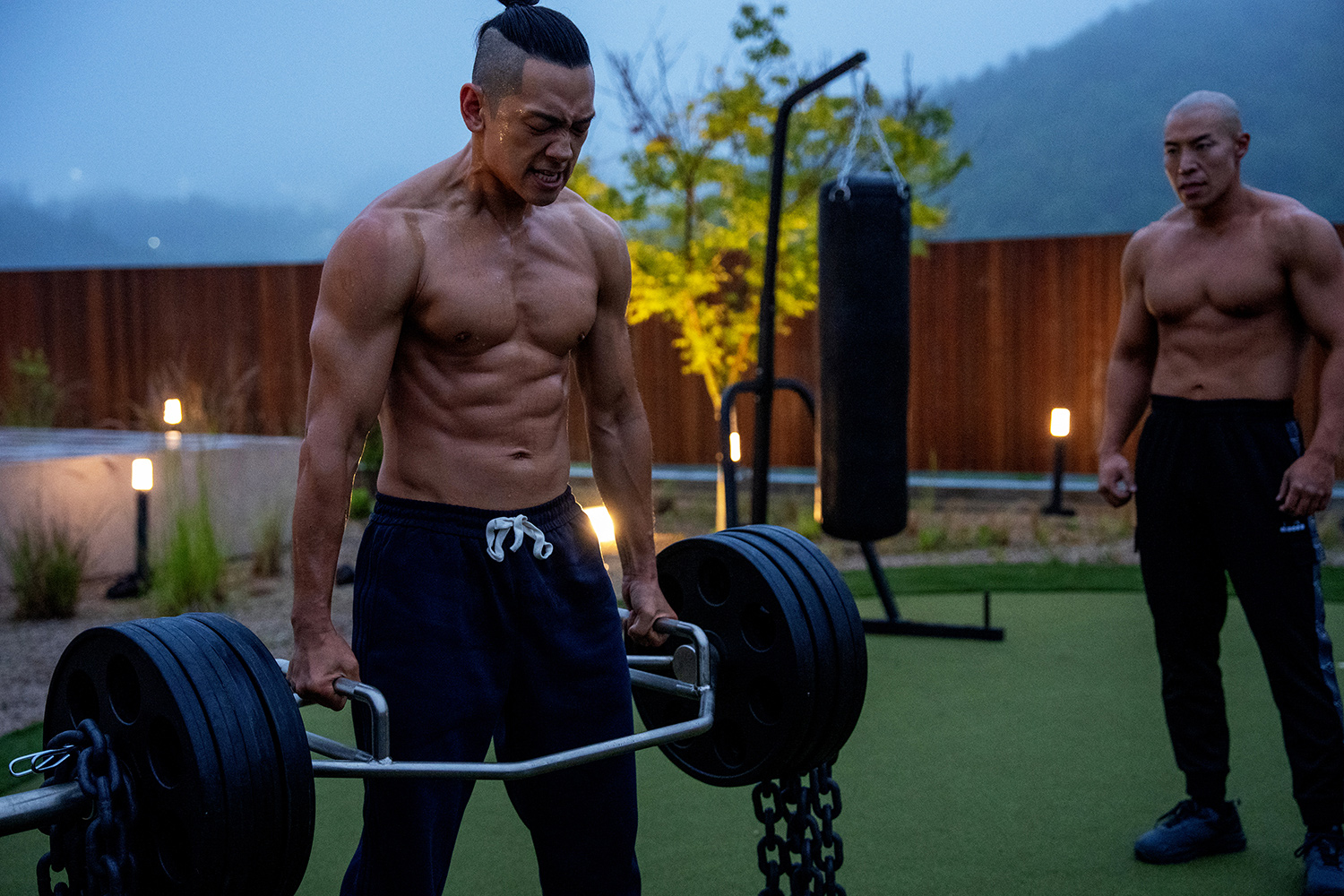
Rain’s villain presence signals a more strategic form of escalation
The arrival of Jung Ji-hoon (Rain) is not meaningful simply because he is famous. It matters because the series appears to use him as a symbol of upgraded threat. Coverage around the release has emphasized his role as a menacing figure tied to the new illegal fight world, and that shift tells us a lot about how the show wants to grow.
Season 1’s antagonistic world was already vicious, but it was grounded in a recognizable social economy of debt, exploitation, and local predation. Season 2 pushes into a more globalized structure of violence. That is an important distinction. When a K-drama expands from neighborhood cruelty to transnational spectacle, it risks losing the intimacy that made the original compelling. The use of a villain with larger-than-life aura helps bridge that gap. Rain does not simply make the scale bigger; he gives the bigger scale a face that feels theatrical enough for streaming action but still personal enough to sustain drama.
In other words, the sequel’s escalation is not only about stronger opponents. It is about changing the meaning of power. The enemy is no longer just someone who hurts people. The enemy is a system that packages pain as entertainment and profit. That gives the show a cleaner thematic target than many action sequels achieve.

The series is benefiting from a global appetite for action that still feels handmade
One reason Bloodhounds seems to be connecting internationally is timing. Streaming audiences are increasingly comfortable with non-English action series, but there is also visible fatigue around action built too heavily on digital excess. What gives Bloodhounds an advantage is the sense of physical commitment. Even promotional coverage and early reactions around the season have centered on the force of the fight choreography, the confrontation between Gun-woo and the new villain, and the chemistry that keeps the violence from becoming monotonous.
That combination matters more than it might seem. Global audiences no longer reward action merely for being intense. They reward action that feels authored. Bloodhounds has a recognizable tactile identity: impact-heavy movement, boxer’s rhythm, and a preference for collision over elegant distance. The fights look less like abstract choreography and more like punishment that characters consciously choose to endure. That sense of cost is crucial. It keeps the series from becoming just another algorithm-friendly brawler.

Its international response suggests Korean genre drama is entering a different phase
The strong chart performance is significant not because one title ranked highly for a few days, but because of what kind of title it is. A Korean action-crime sequel holding a high position on Netflix’s non-English chart indicates that global viewers are not treating Korean content as a single category anymore. They are beginning to sort it by subgenre and craft expectation. Bloodhounds is not thriving because it is “a K-drama” in the broad export sense. It is thriving because viewers seem to recognize exactly what it offers: muscular action, emotional brotherhood, and a moral framework sturdy enough to make the violence satisfying.
That is a meaningful shift. Earlier global waves often favored Korean titles that were either high-concept survival stories or romance-driven dramas. A show like Bloodhounds landing this way points to a stronger space for Korean action franchises that do not need to imitate Hollywood pacing or abandon local character logic. The implication is that international audiences are becoming more literate in the textures of Korean genre storytelling, not just its novelty.

What looks like “dopamine action” is really a fight over whether goodness can remain effective
The most interesting aspect of the series may be the one easiest to overlook. It would be simple to describe Bloodhounds Season 2 as a high-energy revenge-and-combat thriller. But that misses the underlying appeal. The show keeps returning to the idea that moral clarity is not weakness. In fact, it treats sincerity as a combat resource. Gun-woo and Woo-jin do not matter because they are the toughest men in the room. They matter because they are still capable of loyalty without irony.
That theme lands especially well right now because much contemporary action assumes corruption is realism. Bloodhounds argues for something slightly different: corruption may be realistic, but so is chosen decency. The series does not pretend kindness eliminates violence. It asks whether kindness can survive after violence becomes unavoidable. That is a much stronger engine for audience attachment than plot mechanics alone.
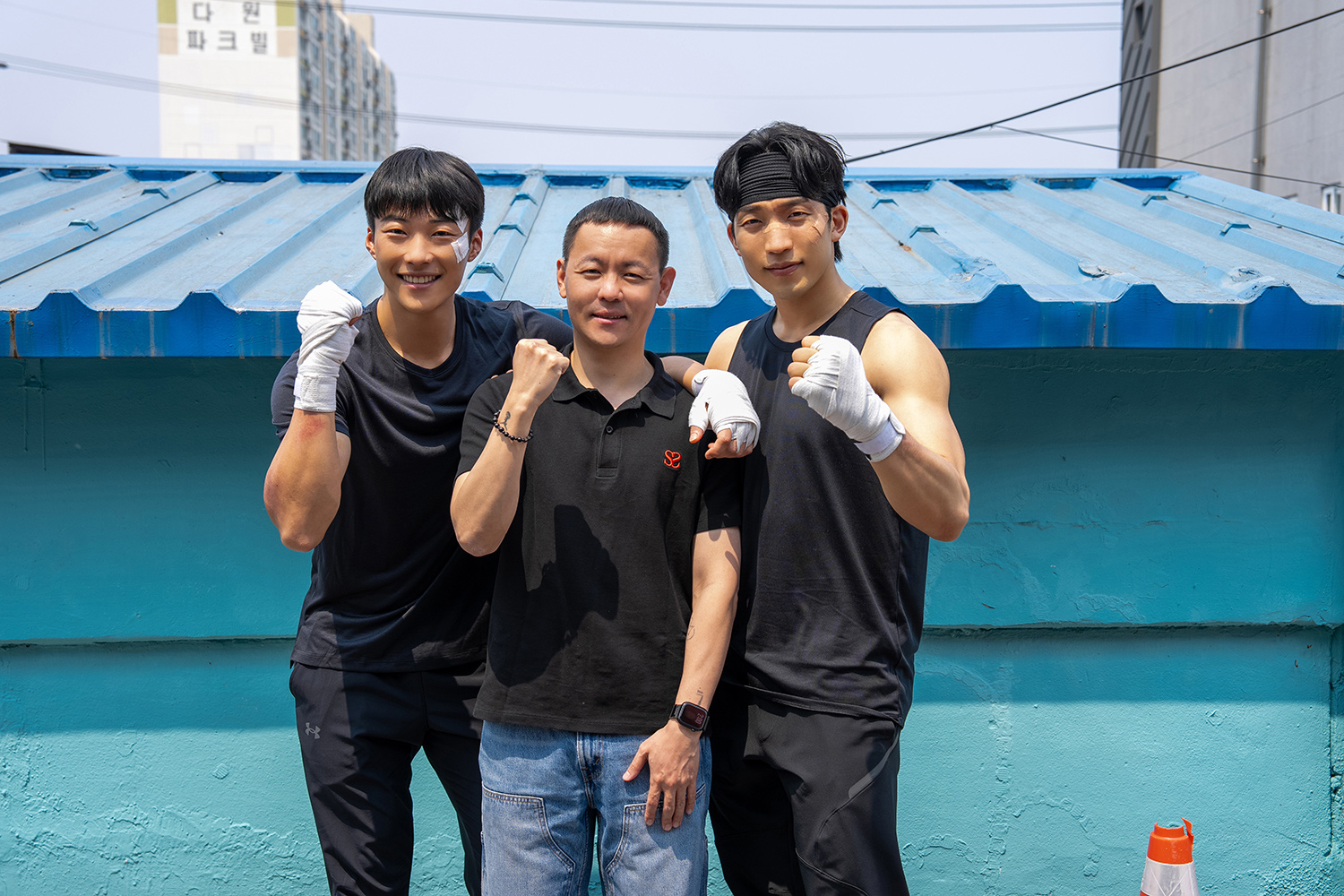
Its future depends on whether it can keep scale from hollowing out intimacy
The success of Season 2 also creates a risk. Once a show proves it can travel globally, pressure usually follows: larger arenas, bigger villains, broader mythology, more franchise architecture. Those moves can help visibility, but they can also dilute what made the series distinct. Bloodhounds is strongest when each blow feels tied to a personal ethic, not merely a larger IP machine.
That is the real test going forward. Can the series continue expanding while preserving the emotional density of two men fighting not only to win, but to remain themselves? If it can, Bloodhounds may end up as more than a successful Netflix sequel. It may become one of the clearer models for how Korean action series grow internationally without flattening their own identity.
And that leaves the more interesting question open: when viewers say they want bigger action, do they really mean scale, or do they mean they want higher emotional stakes attached to every hit?