
The final choice is usually framed as a romantic payoff, but in Season 5 it reads more like a stress test. What matters now isn’t who ends up together, but whether the structure of the show still allows for a “right” decision at all. With emotions stretched thin and misunderstandings left unresolved, the island no longer feels like a place for connection—it feels like a pressure chamber forcing clarity through exhaustion.

The Square Relationship Isn’t About Love, It’s About Narrative Control
The four-way entanglement surrounding Kim Go-eun exposes a familiar but increasingly fragile formula. Multiple men circling one woman has always been a reliable way to generate suspense, yet this season pushes that device to a breaking point. Woo Sung-min’s certainty, Shin Hyun-woo’s strategic withdrawal, and Joy Gun’s emotional volatility don’t just compete with each other—they fragment the emotional center of the story.
What makes this dynamic different is that none of these paths feels narratively “earned.” Each option represents a different kind of risk rather than a different kind of future. Choosing decisiveness, choosing sacrifice, or choosing chemistry all come with visible costs. The tension isn’t about which man Kim Go-eun prefers, but whether preference itself is still stable under constant surveillance and reinterpretation.
Why this matters is simple: when every choice feels compromised, the final selection stops being a resolution and becomes a reveal of limits—of patience, trust, and even the show’s own structure.

The Pool Scene Worked Because It Created Confusion, Not Romance
Season 5’s most talked-about pool date wasn’t effective because it was sensual or visually striking. It worked because it introduced ambiguity at the worst possible moment. Instead of clarifying emotional direction, it layered attraction with misunderstanding, turning intimacy into a liability.
The judges’ praise of the scene highlights a deeper shift in the series. Memorable moments are no longer about emotional breakthroughs; they’re about emotional misalignment. Physical closeness doesn’t translate into reassurance—it accelerates doubt. What should have been a turning point instead destabilized every existing assumption.
This matters because the show now rewards scenes that complicate rather than confirm. The more unforgettable the moment, the less likely it is to produce certainty. Romance becomes spectacle, and spectacle becomes noise that contestants must interpret without guidance.

Strategic Withdrawal Is No Longer Noble
Shin Hyun-woo’s decision to forgo Paradise could once have been framed as restraint or maturity. In earlier seasons, stepping back often read as emotional depth. Here, it feels more like resignation. The rules of the island no longer reward patience; they punish absence.
What’s changed is the tempo. With emotions escalating faster and narratives compressing tighter, opting out reads less like self-awareness and more like surrendering narrative space. In a system where visibility equals relevance, absence becomes its own statement—and rarely a favorable one.
This matters because it reframes passivity as a choice with consequences. Season 5 suggests that emotional economy favors those who stay in motion, even if that motion is messy or contradictory.
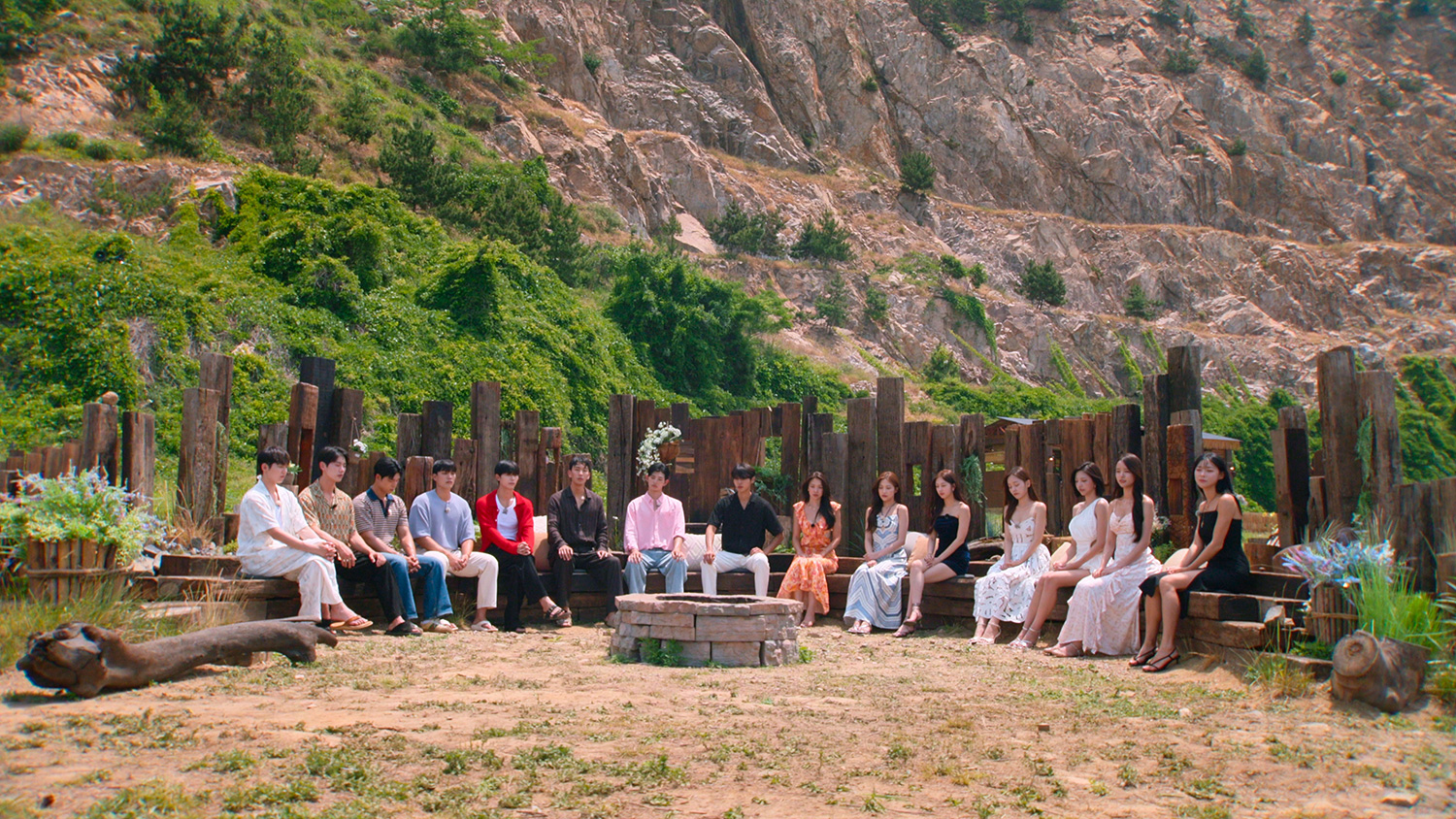
Parallel Storylines Reveal the Same Structural Problem
Outside the central square, similar tensions repeat themselves. The rivalry surrounding Lee Joo-young, the unpredictable swings of Choi Min-soo, and Kim Min-ji’s unexpected redirection all point to the same issue: decisions are being made under emotional overload rather than emotional clarity.
These aren’t isolated arcs. They echo each other in rhythm and outcome. Conversations escalate quickly, conflict spikes without resolution, and moments that should simplify instead multiply uncertainty. The show isn’t building toward harmony; it’s accumulating unresolved threads and forcing a deadline.
Why this matters is that the final choice risks becoming arbitrary. When emotional processing is cut short by format, the ending reflects timing more than truth.

Season 5 Prioritizes Realism Over Romance—and Pays a Price
There’s an argument that this season feels more “real.” Misunderstandings linger. Feelings don’t resolve neatly. People choose with incomplete information. But realism comes at a cost. Without emotional catharsis, the audience is left observing decisions rather than feeling them.
Earlier seasons balanced fantasy and structure. Paradise dates acted as controlled spaces for reflection, while Inferno functioned as friction. Season 5 blurs that line. Inferno dominates, and Paradise loses its power as a corrective space. The result is realism without relief.
This matters because dating shows survive on emotional payoff, not just authenticity. When realism overrides resolution, the final choice risks feeling like an administrative outcome rather than an emotional one.
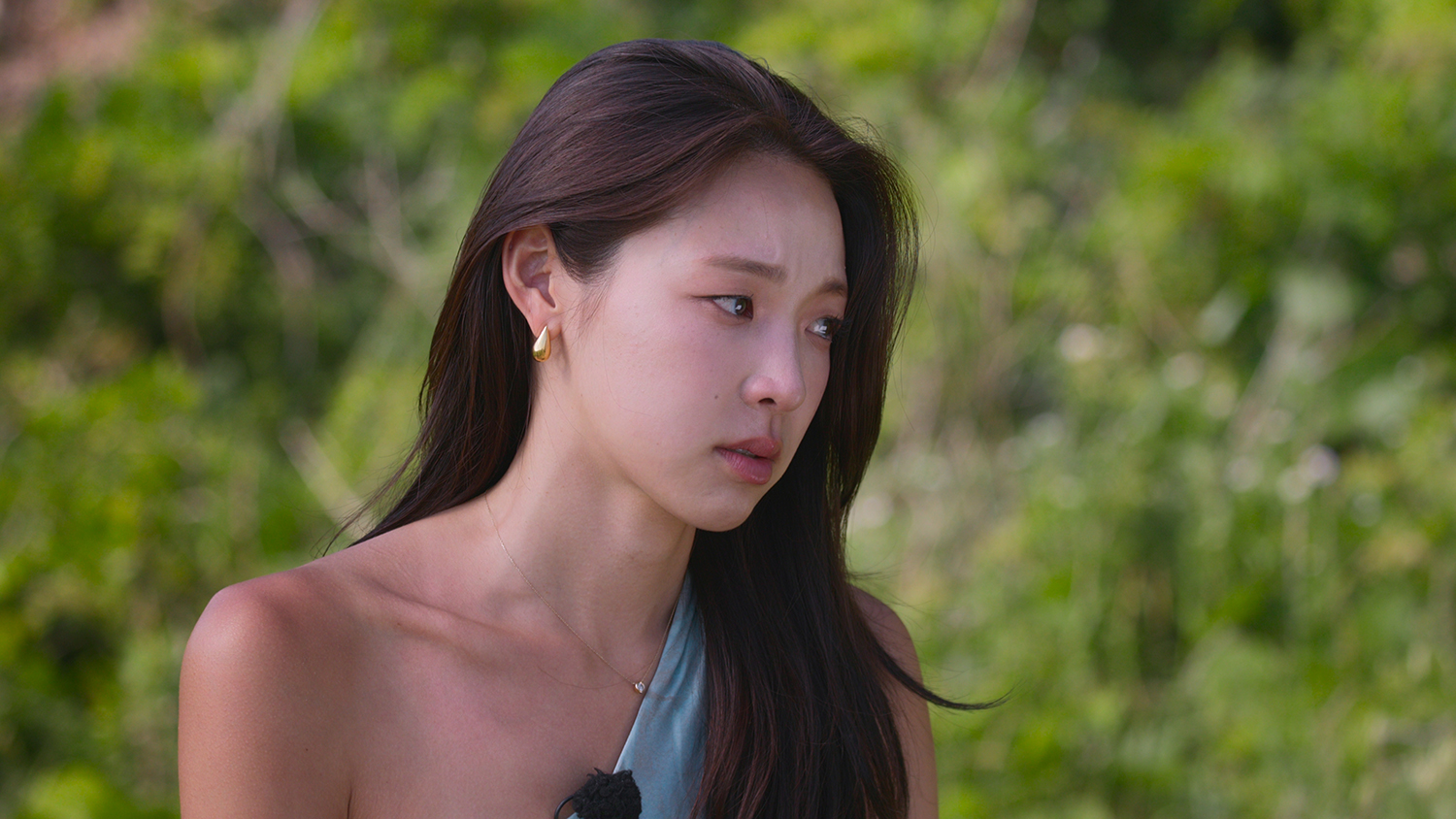
The Final Choice Is a Question, Not an Answer
As the last episodes arrive, the most important question isn’t who leaves the island together. It’s whether the format still supports meaningful choice under sustained pressure. Season 5 suggests that when emotional turbulence becomes constant, decision-making turns defensive rather than aspirational.
The final walk off Inferno may deliver couples, but it also exposes something else: a show testing how much instability it can generate before choice itself loses meaning. Are these selections expressions of desire, or simply exits from fatigue?
That question lingers beyond the finale—and it may define how the series evolves from here.