When a mystery show expands its physical scale, it risks losing narrative focus. Yet Agents of Mystery Season 2 makes a more deliberate move: it transforms space itself into the engine of suspense. Instead of escalating difficulty through denser riddles alone, the series escalates through architecture—rooms, factories, and even an entire village operating as narrative mechanisms.
That distinction matters. The tension no longer lies only in whether the cast can solve a problem, but in whether they can decode the logic of the world they have stepped into.


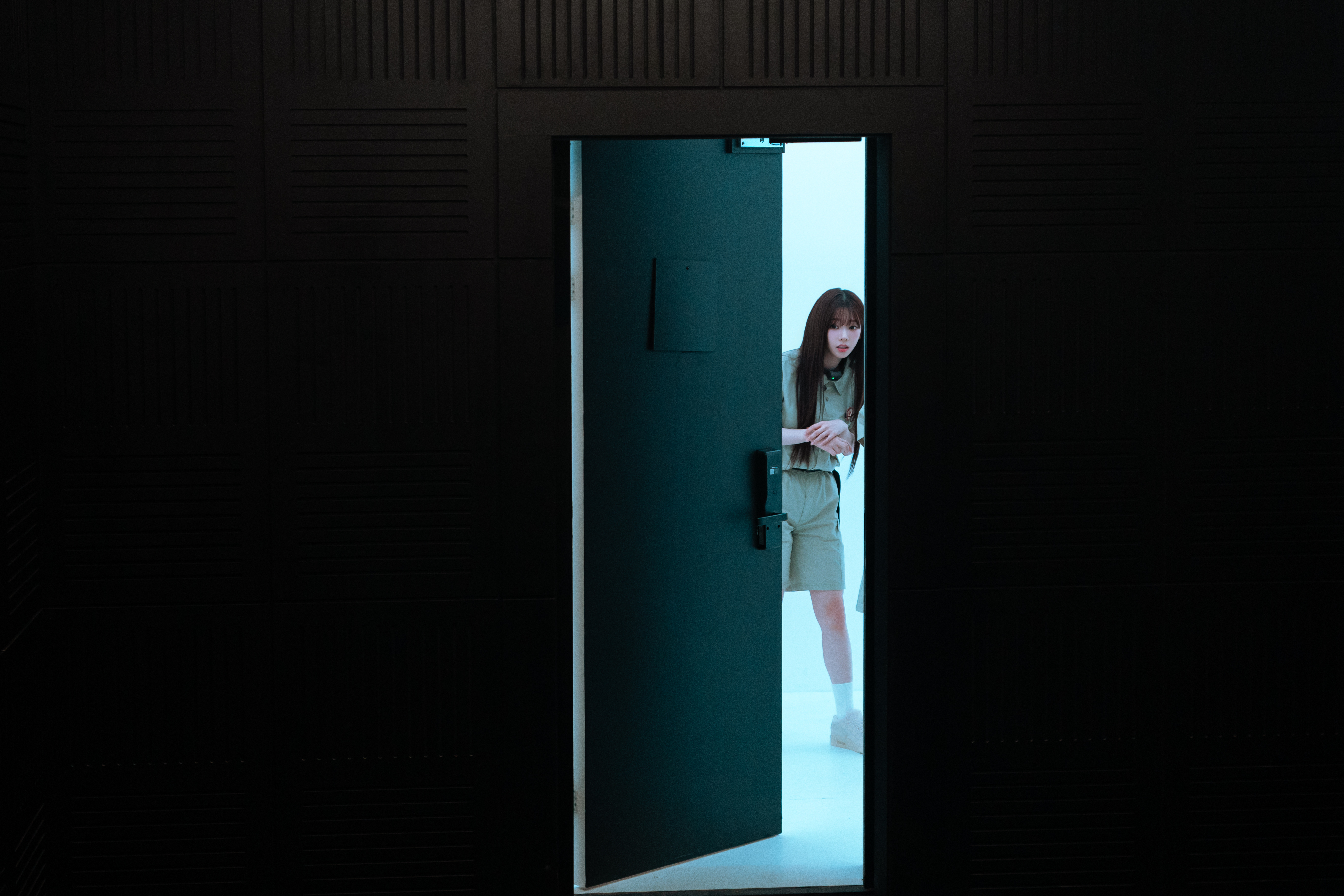
“Black Room” Turns Access Into Power
The “Black Room” episode signals a structural evolution. The introduction of a key-card progression system suggests that movement through space is also movement through narrative layers. Access becomes the central currency.
Unlike conventional escape-room formats where the objective is clear from the start, this design implies withheld architecture—spaces that exist before and beyond immediate comprehension. Each unlocked threshold reframes prior assumptions.
Why this matters: mystery thrives on asymmetry between what is known and what is concealed. By embedding concealment into spatial design, the show makes tension physical. Viewers are not just observing deduction; they are watching an environment slowly surrender its structure.

“The Other” Disrupts Rational Comfort
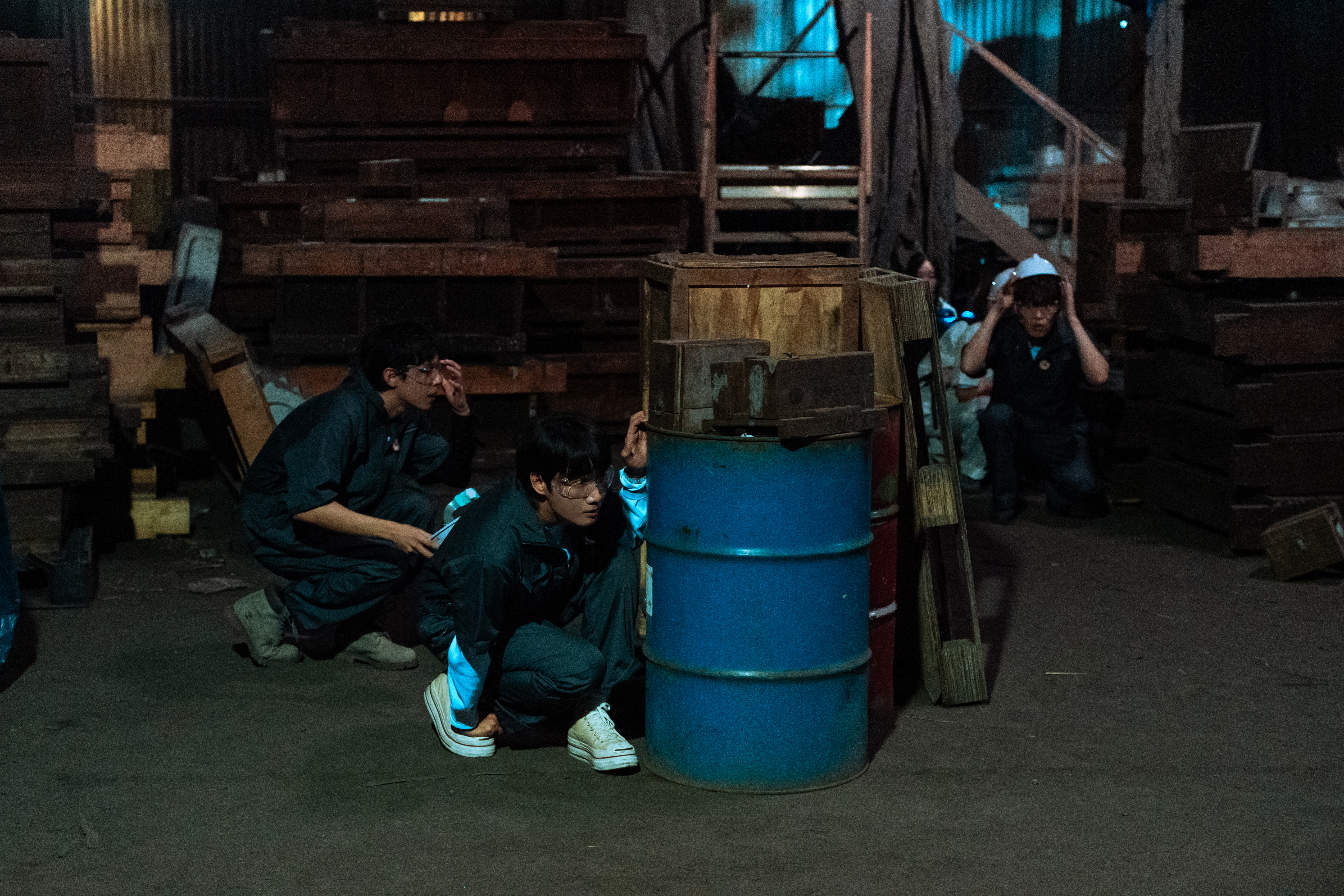
Set in an industrial environment, “The Other” shifts toward creature-thriller territory. The introduction of an unidentified lifeform challenges the rational framework typically associated with investigative entertainment. Logic alone cannot neutralize a threat that moves unpredictably.
This episode leans into pursuit and vulnerability rather than pure puzzle-solving. Fear operates as a destabilizing force, pressing the cast into reactive coordination.
Why this matters: hybridizing deduction with survival horror expands the emotional range of the format. It complicates expectations. Mystery becomes less about clean resolution and more about enduring uncertainty.
A Village as a Closed Narrative System
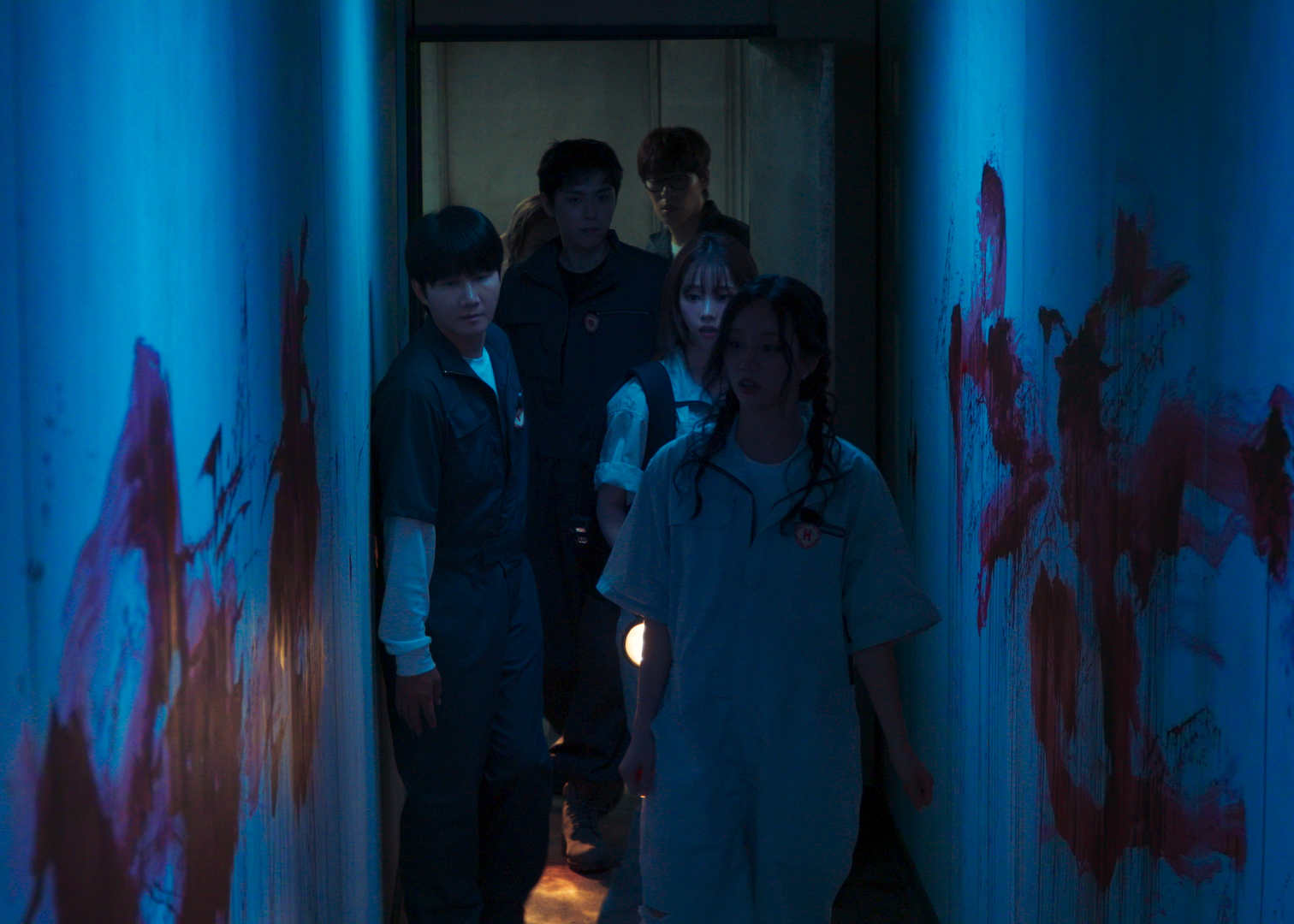
“The Secret of Baeksudam” abandons contained sets in favor of a full-location village environment. This shift reframes investigation as immersion. Geography introduces ambiguity—distance, darkness, and disorientation become storytelling tools.
Unlike stage-based design, a village resists total control. Clues are embedded in terrain and atmosphere rather than arranged in a linear sequence. The team must navigate not just information but space itself.
Why this matters: expanding to outdoor, large-scale environments reflects an ambition to blur the boundary between variety programming and cinematic thriller. The format evolves from puzzle chamber to narrative ecosystem.

Experience Meets Volatility
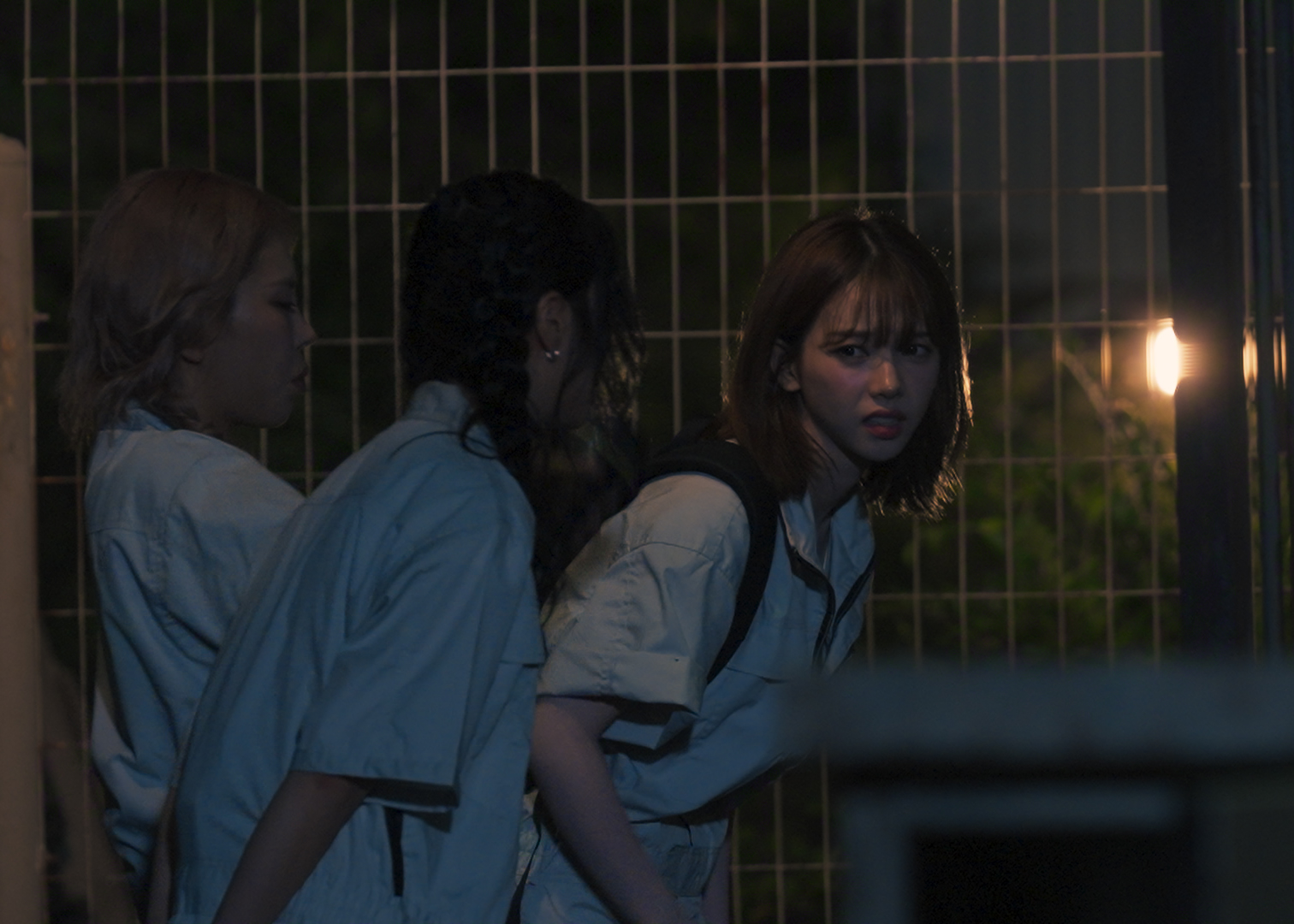
Returning members—Lee Yong-jin, John Park, Hyeri, Kim Do-hoon, Karina—operate with accumulated instinct, while newcomer Gabi adds volatility to the group dynamic.
But the more significant shift is functional. As environments scale up, coordination becomes structural rather than performative. Veteran intuition must adapt to open-world unpredictability. A single misread space can fracture momentum.
Why this matters: ensemble mystery formats survive on rhythm. When scale expands, teamwork transforms from personality display into tactical necessity.


Genre as Elastic Framework
Producer Jung Jong-yeon has long experimented with genre hybridity, including in The Devil's Plan. Season 2 of Agents of Mystery intensifies that strategy by balancing familiarity with destabilization.
Familiar elements ease immersion. Unpredictable narrative turns disrupt it before comfort solidifies. The result is controlled instability—enough coherence to follow, enough disruption to resist passive viewing.
Why this matters: in the streaming landscape, sustained engagement depends on calibrated unpredictability. The format must remain legible yet refuse repetition.
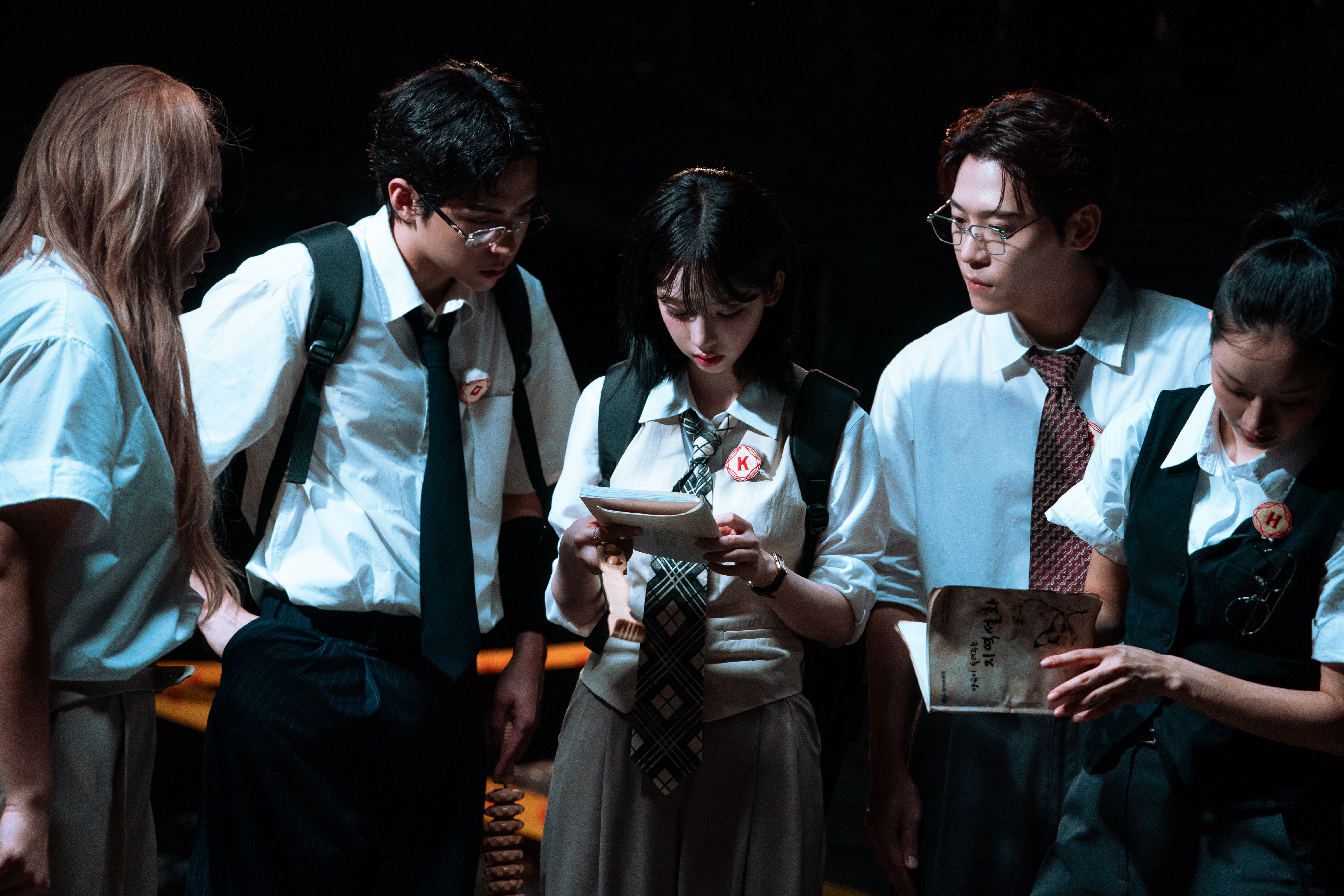
When Environment Becomes the Antagonist
What ultimately distinguishes Agents of Mystery Season 2 is its architectural philosophy. Rather than relying solely on clever riddles, it constructs environments that behave like antagonists—resistant, layered, and reactive.
This raises a broader question about the evolution of unscripted mystery. If scale continues to expand, will space overpower deduction? Or will investigation evolve alongside it, reshaping what variety storytelling can achieve?
The series does not offer a final answer. Instead, it presents a proposition: that mystery, at its most immersive, is not just about solving what is hidden—but surviving the world that hides it.