MBC 5

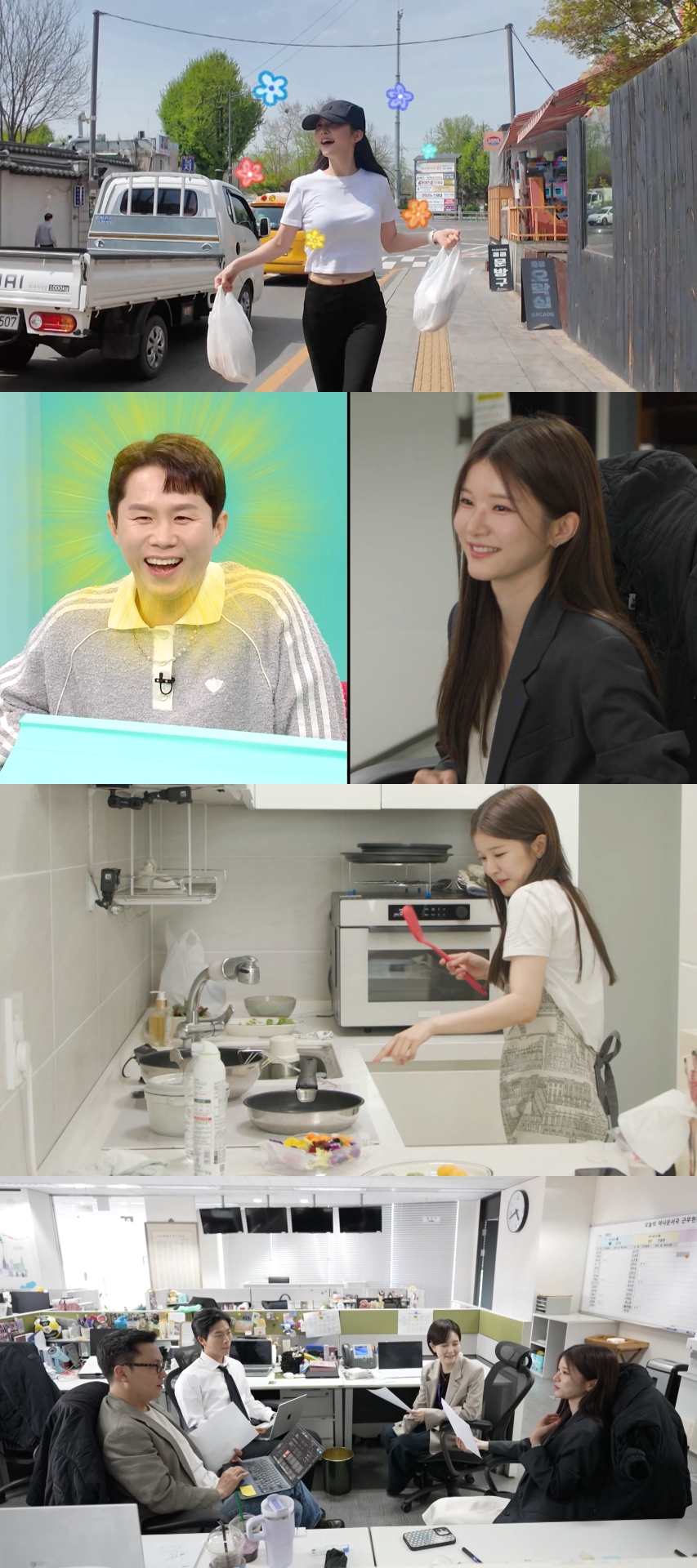
Why Park So-young’s Chaos Works in Omniscient Interfering View

Park So-young’s appeal on Omniscient Interfering View is not built on polish. It comes from the gap between the disciplined image expected of an announcer and the unpredictable rhythm of someone still discovering how entertainment turns imperfection into character.Her awkwardness becomes a performance languagePark So-young’s running routine matters because it reframes movement as personality. Sh..
Why Sora and Jinkyung Turns Lee So-ra’s Return Into a Question About Time, Image, and Reinvention

Lee So-ra’s return to the runway is not meaningful simply because a legendary model is stepping back into fashion. Its real tension lies in what happens when a public image built in youth is asked to survive middle age, memory, and cultural change. Sora and Jinkyung uses that tension as more than nostalgia: it turns a comeback into a test of whether glamour can become more interesting after perf..

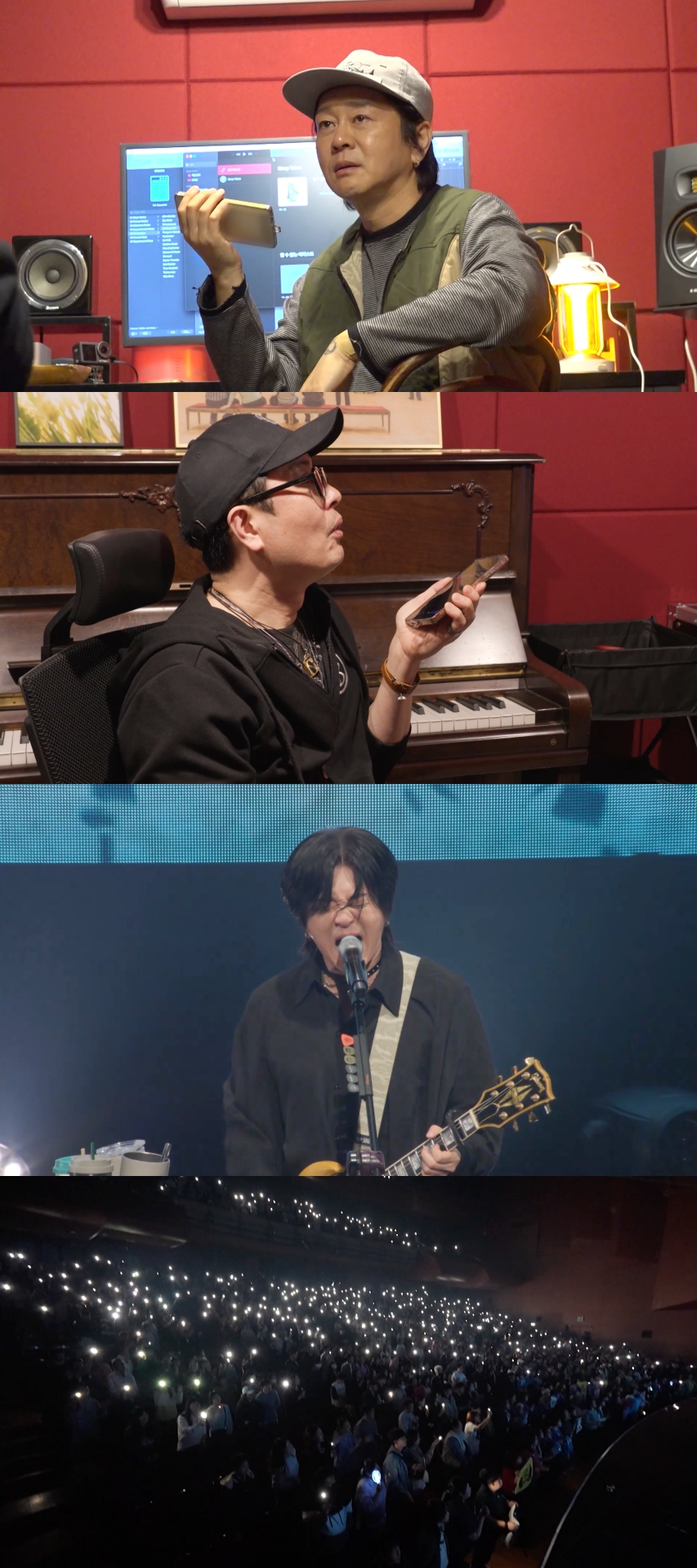
Why Yoon Do-hyun’s Return to the Stage Feels Bigger Than Nostalgia

MBC’s Omniscient Interfering View—also widely known as The Manager—works best when it captures the ordinary mechanics behind a public image. In Yoon Do-hyun’s case, that ordinary layer matters more than usual, because the episode is not really about a veteran singer preparing for another concert. It is about what happens when a musician with three decades of history stands onstage again after il..

Why Omniscient Interfering View Feels More Real When It Focuses on Commitment Over Personality

Some variety shows rely on charm, others on spectacle. What makes Omniscient Interfering View occasionally resonate more deeply is when it shifts away from personality-driven entertainment and instead observes people who are defined by what they continue to do—especially when those actions are difficult, repetitive, and emotionally demanding.Episode 392 works precisely because it builds its emot..

Why JTBC’s Olympic Broadcasting Dispute Reveals a Structural Tension in Korea’s Media Market

The recent dispute surrounding Olympic broadcasting rights in South Korea is less about a single contract and more about how legacy broadcasting structures adapt to market shifts. When JTBC responded to criticism over coverage limitations, the core issue became clear: the rules governing access were not newly invented, but inherited. That inheritance is precisely what makes the debate more struc..