Talk shows rarely attempt to frame conversation as a form of storytelling about identity. Yet Hodong’s Neighborhood Bookstore approaches the genre from a different angle: it treats everyday conversation as a way of reading a person’s life like a book. The appearance of actor Lee Sun-bin in the show’s second episode highlights how this structure shifts attention away from promotion or publicity and toward the narrative logic behind someone’s personal history.
Unlike conventional celebrity interviews, the show places emotional interpretation at the center. The result is less about what a guest has done and more about how those experiences become stories worth revisiting.

A Talk Show Built on the Idea That Lives Can Be “Read”
The central premise of Hodong’s Neighborhood Bookstore is deceptively simple. The host—Kang Ho-dong—appears as a fictional bookstore owner called “Hocrates,” a character whose loud personality hides a surprisingly reflective side.
This framing matters because it changes how conversation unfolds. Instead of asking direct career questions, the format invites guests to interpret their own lives through books, memories, and personal turning points.
That structure turns the interview into a form of narrative reconstruction. Guests are not simply recalling events; they are identifying the meaning those events gained over time.
The show therefore functions less like a traditional variety program and more like a quiet exercise in autobiographical reflection.
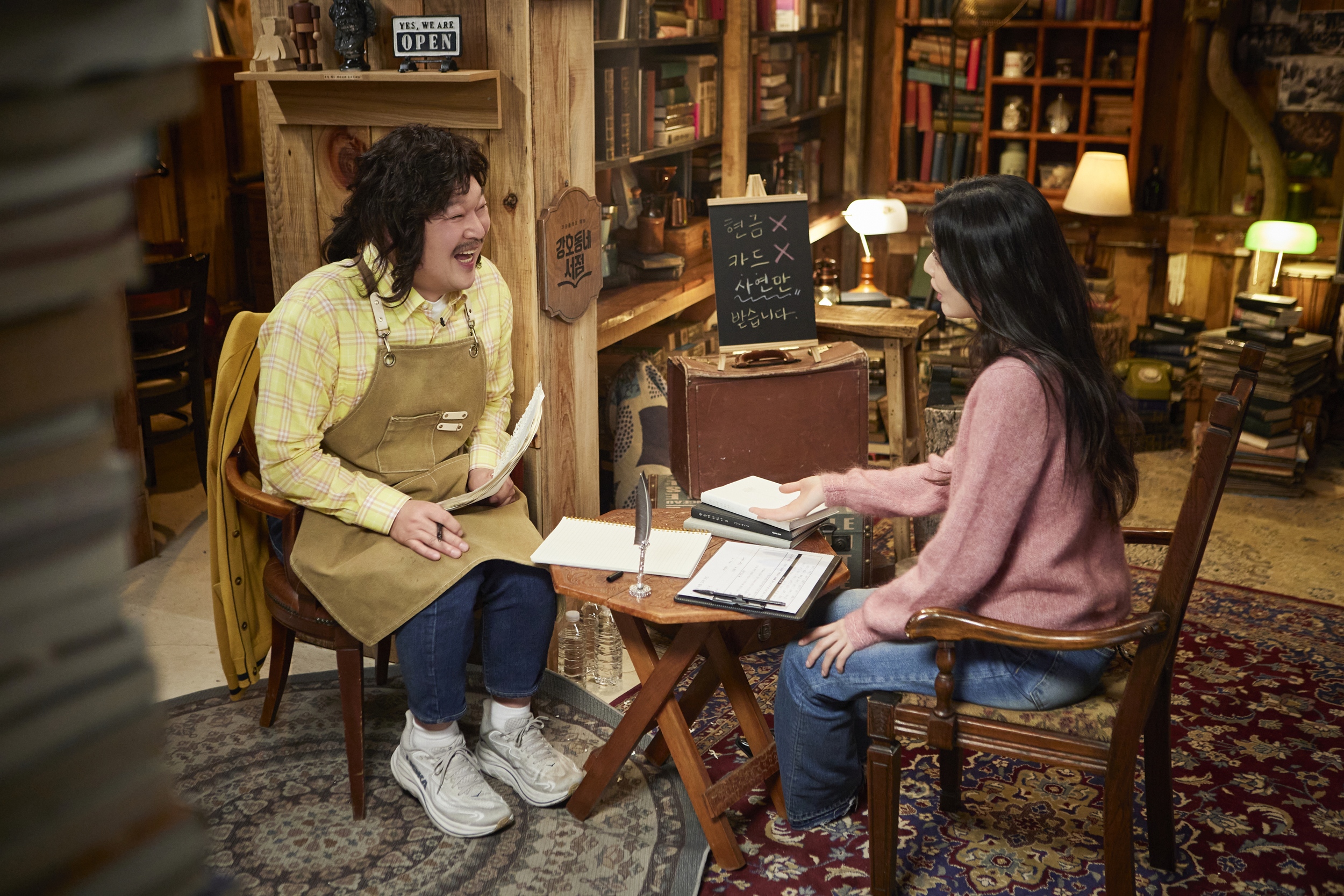
Lee Sun-bin’s Public Image Versus the Complexity Behind It
Lee Sun-bin has long been associated with bright, energetic screen presence. Her variety appearances often highlight humor, quick reactions, and a kind of easygoing charisma that audiences find approachable.
But that image also risks flattening the complexity of an actor’s career trajectory.
In the episode preview, her unfiltered humor—ranging from playful compliments toward the host to blunt remarks about personal experiences—reinforces the persona viewers expect. Yet these moments also reveal how authenticity works within variety television.
The humor is not simply comedic performance. It signals comfort with vulnerability, an ability to shift between jokes and sincerity without losing the audience’s trust.
That flexibility becomes essential once the conversation moves beyond light anecdotes.

Why Personal Stories Work Better Than Promotional Narratives
Most talk shows follow a predictable rhythm: a celebrity arrives, promotes a project, and offers carefully framed anecdotes. The conversation rarely deviates far from a prepared image.
Hodong’s Neighborhood Bookstore disrupts that formula by focusing on formative memories rather than achievements.
When Lee Sun-bin shares unexpected stories from childhood or reflects on difficult early years in the entertainment industry, the emphasis moves away from success and toward process. These stories matter because they highlight the distance between a public persona and the private experiences that shaped it.
The audience is not simply learning facts about the guest. Instead, viewers witness how a person interprets their own past.
In narrative terms, that difference transforms the conversation from biography into self-analysis.

The Role of the “Life-Changing Book” in Structuring the Episode
One of the show’s most distinctive devices is the idea of a “life book”—a text that helped shape the guest’s outlook.
This concept functions as more than a sentimental segment. It provides a narrative anchor that links scattered memories into a coherent theme.
When a guest identifies a book that influenced them, they implicitly explain how they understand their own story. The chosen text becomes a symbolic lens through which personal experiences are reinterpreted.
For Lee Sun-bin, this moment reframes the entire conversation. Earlier jokes and playful exchanges suddenly acquire context once viewers see the struggles behind them.
The book is not the focus. What matters is the act of choosing it—and the emotional reasoning that follows.
Why Kang Ho-dong’s Persona Works in This Format
Kang Ho-dong’s hosting style has historically relied on loud energy, physical humor, and overwhelming enthusiasm. In many variety shows, that approach dominates the conversation.
Here, however, the exaggerated personality is deliberately softened through the fictional bookstore-owner character.
The “Hocrates” persona allows him to oscillate between humor and empathy. When a guest shares a deeply personal memory, his reaction shifts from playful teasing to genuine emotional response.
That contrast makes the moment believable.
Rather than controlling the interview, the host becomes a participant in the emotional exchange. The tears or laughter that emerge feel less like television performance and more like spontaneous reaction.
Variety Shows and the Appeal of Emotional Transparency
Korean variety television has increasingly embraced emotional honesty as a central attraction. Programs centered on healing, personal reflection, or everyday conversation have gained attention because they allow celebrities to appear less guarded.
Hodong’s Neighborhood Bookstore reflects this broader trend but adds an unusual narrative device: literature.
By linking life stories to books, the program subtly frames personal experience as something that can be interpreted and reinterpreted—much like reading a novel.
This approach creates a deeper level of engagement. Viewers are encouraged not only to listen to the story but also to consider what meaning it carries.
In that sense, the show treats conversation itself as a kind of reading practice.
A Talk Show That Suggests Everyone Has a “Life Narrative”
The deeper appeal of the format lies in a simple idea: every person organizes their life like a story, even if they are not aware of it.
Memories gain significance when we interpret them through themes—growth, resilience, regret, or change. The act of selecting a “life book” mirrors that process.
It becomes a symbolic statement about how someone understands their own journey.
Lee Sun-bin’s episode illustrates this dynamic particularly well. The contrast between playful humor and emotional reflection shows how a single narrative can contain multiple tones at once.
A public figure who seems effortlessly cheerful may still carry memories that shaped that outlook.
The Quiet Question the Show Leaves Behind
A bookstore setting invites a subtle comparison: if people can read novels to understand fictional characters, perhaps conversations can help us interpret real ones.
The format of Hodong’s Neighborhood Bookstore turns celebrity interviews into a form of narrative discovery rather than publicity.
In doing so, it raises a broader question that extends beyond television.
If every person has a “life book” that reflects their story, what does it mean to choose that book—and what does the choice reveal about how we see ourselves?