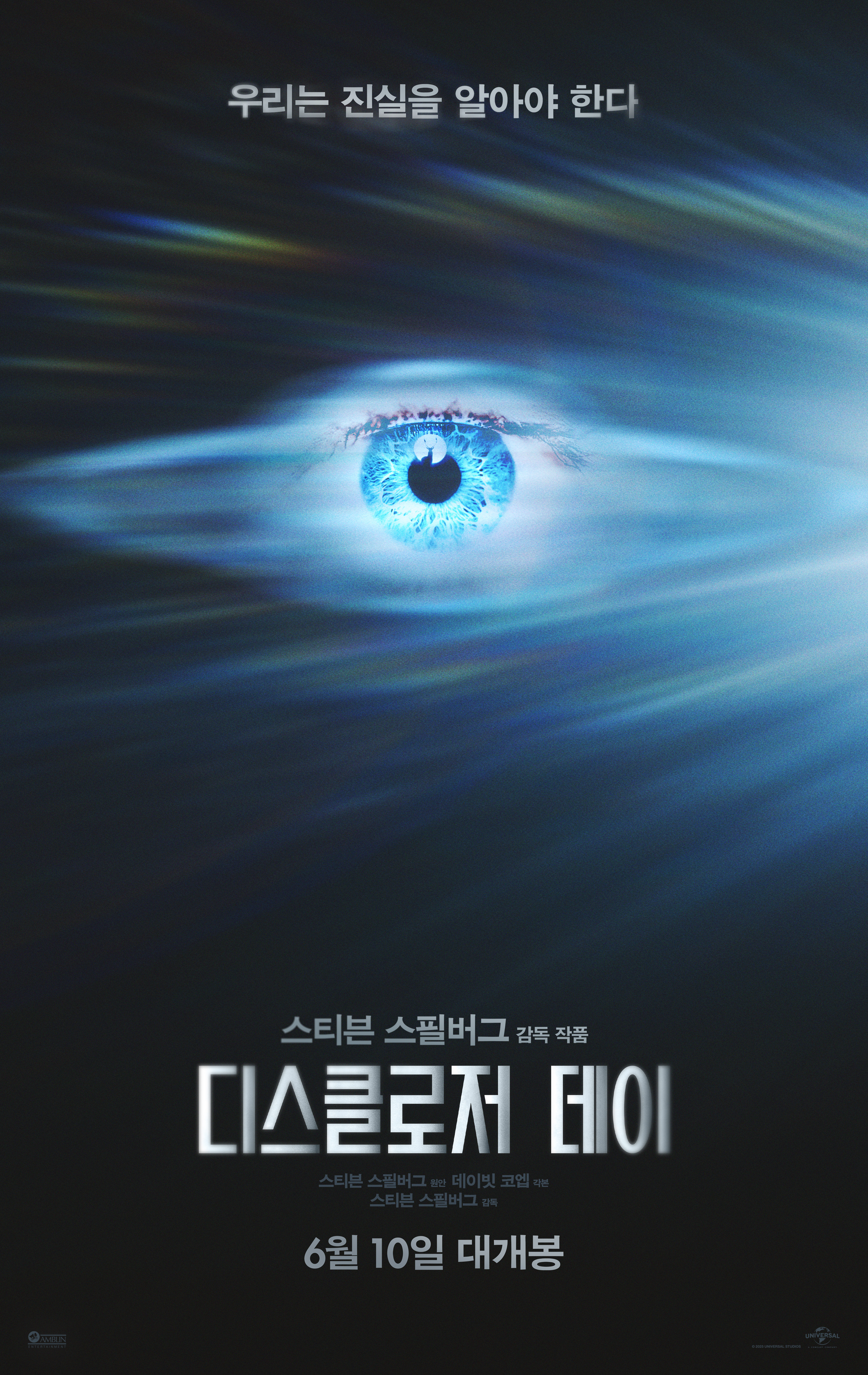
For decades, alien stories in cinema have often reflected humanity’s fears—fear of invasion, fear of the unknown, fear of losing control over our place in the universe. Yet the premise behind Disclosure Day suggests something different. Instead of asking whether aliens are hostile, the film appears to question why humanity has spent nearly eighty years living under a constructed fear. If that premise holds, the film may not simply revisit the alien genre—it may challenge the narrative foundation the genre has relied on for generations.
The idea that fear itself might be manufactured
The most striking idea behind Disclosure Day is not the extraterrestrial presence but the suggestion that global fear has been intentionally sustained for seventy-nine years. Alien films traditionally build tension around the threat of invasion, but this narrative direction implies that the real conflict lies in human institutions, not in the unknown beings themselves.
That shift changes the genre’s moral center. Instead of “humanity versus aliens,” the story appears to become “truth versus control.” When a character declares that the long-standing fear is a lie, the alien narrative becomes a political and psychological story about information management.
Why this matters is simple: science fiction often reflects the anxieties of its era. In a world saturated with misinformation debates and public distrust of institutions, a story about concealed truth resonates far beyond extraterrestrial mythology.
Language as the first sign that something fundamental is wrong
One intriguing element hinted at in the story is communication. A live broadcast interrupted by an unexplained language—and a single person who understands it—introduces a classic science fiction motif: the moment humanity realizes the universe speaks in ways it cannot easily decode.
Communication with the unknown has long fascinated filmmakers, but the emotional focus here appears different. Instead of the spectacle of first contact, the emphasis seems to fall on interpretation. Why can only one person understand the message? And more importantly, why might that understanding threaten the established order?
The narrative implication is powerful. Language becomes a key that unlocks hidden structures of power. Once meaning is understood, the entire framework sustaining fear may collapse.
A mysterious figure with power beyond explanation
Another intriguing narrative thread centers on a character possessing unexplained abilities. Science fiction often introduces extraordinary individuals as bridges between humanity and the unknown, but the context here suggests something more ambiguous.
Rather than serving purely as a heroic mediator, this character appears to represent the unsettling possibility that humanity has always been closer to the unknown than it realized. The existence of such a figure destabilizes the boundary between human and extraterrestrial influence.
This matters because it reframes the central mystery. If extraordinary abilities already exist within the human sphere, the arrival of alien intelligence may not be an invasion—it might be a revelation about humanity itself.
Why Spielberg returning to aliens matters
Few directors are as closely associated with alien storytelling as Steven Spielberg. His earlier films approached extraterrestrial encounters from dramatically different emotional perspectives.
In E.T. the Extra-Terrestrial, the alien was a vulnerable outsider who revealed humanity’s capacity for empathy. In Close Encounters of the Third Kind, the encounter with extraterrestrials became a spiritual event—an invitation to expand human perception.
Yet in War of the Worlds, the alien presence represented overwhelming existential terror.
What makes Disclosure Day intriguing is the suggestion that it might synthesize these approaches. The film seems poised to combine mystery, fear, and revelation while adding a new layer: the possibility that humanity has misunderstood the truth all along.
In that sense, the film may not just revisit Spielberg’s earlier themes. It could reinterpret them through a modern lens shaped by distrust, global connectivity, and the fragility of shared narratives.
The growing fascination with hidden truths
Modern science fiction increasingly gravitates toward stories of concealed history. Rather than focusing solely on technological spectacle, contemporary narratives often explore what institutions might hide—and why.
Disclosure Day appears aligned with this trend. The idea that the world has been conditioned to fear something for nearly eight decades implies a vast architecture of secrecy. The alien presence becomes less important than the revelation that truth itself has been carefully managed.
This shift reflects a cultural moment in which audiences are drawn to stories about hidden systems. Whether in politics, technology, or history, the question “Who controls the narrative?” has become more compelling than the question “What is the threat?”
A story about revelation rather than invasion
If the narrative direction suggested by the film holds true, the arrival of alien intelligence may not be the film’s central event. Instead, the real turning point could be the moment humanity realizes that its understanding of the universe—and its own history—has been incomplete.
That kind of revelation carries a different emotional weight from traditional alien invasion narratives. Instead of destruction, the central tension becomes cognitive shock: the realization that the world has never been what it seemed.
Science fiction has long explored this possibility, but few filmmakers have the cultural influence to reshape the genre’s mythology. Spielberg’s involvement raises the possibility that this film could attempt exactly that.
What happens when fear disappears
The most provocative idea behind Disclosure Day is not the alien itself but the collapse of a long-maintained fear. If humanity has been conditioned to believe something dangerous for decades, removing that fear could create a vacuum.
What replaces it? Curiosity? Chaos? Or a new kind of anxiety?
Fear often functions as a stabilizing force in collective psychology. It provides simple narratives about danger and safety. Removing that framework may force humanity to confront a more unsettling possibility—that the universe is far stranger and more complex than the stories we have told ourselves.
And if that realization arrives all at once, the question may not be whether the truth will change the world.
The real question might be whether the world is ready to live without the lies that shaped it.