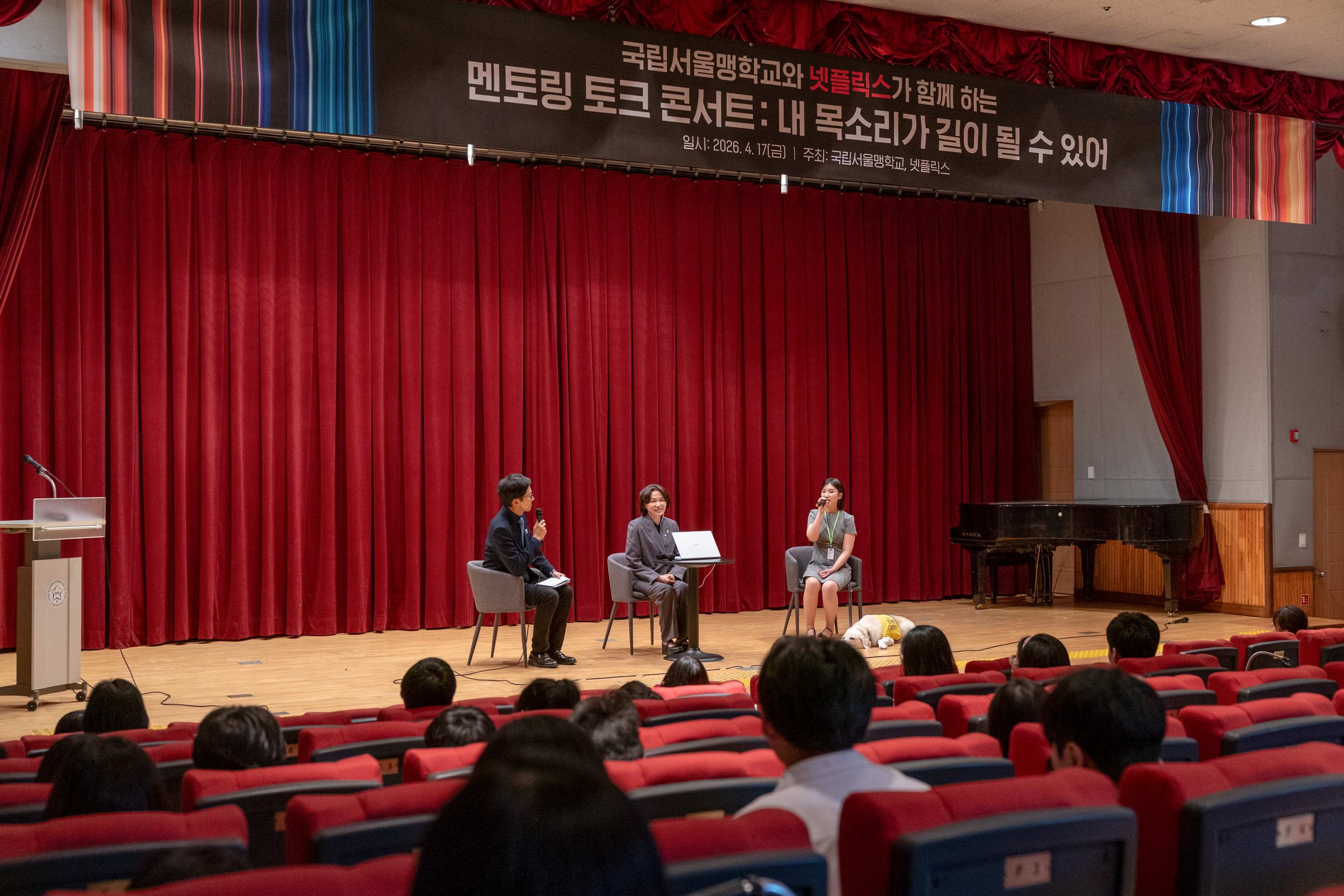
What appears at first as a mentorship event for visually impaired students reveals a deeper shift in how we define ability, labor, and creative ownership. The idea that “my voice can become a path” is not simply motivational rhetoric—it reframes disability from limitation into a site of authorship. In that sense, the significance lies less in career guidance and more in how new forms of participation are being legitimized within the media ecosystem.
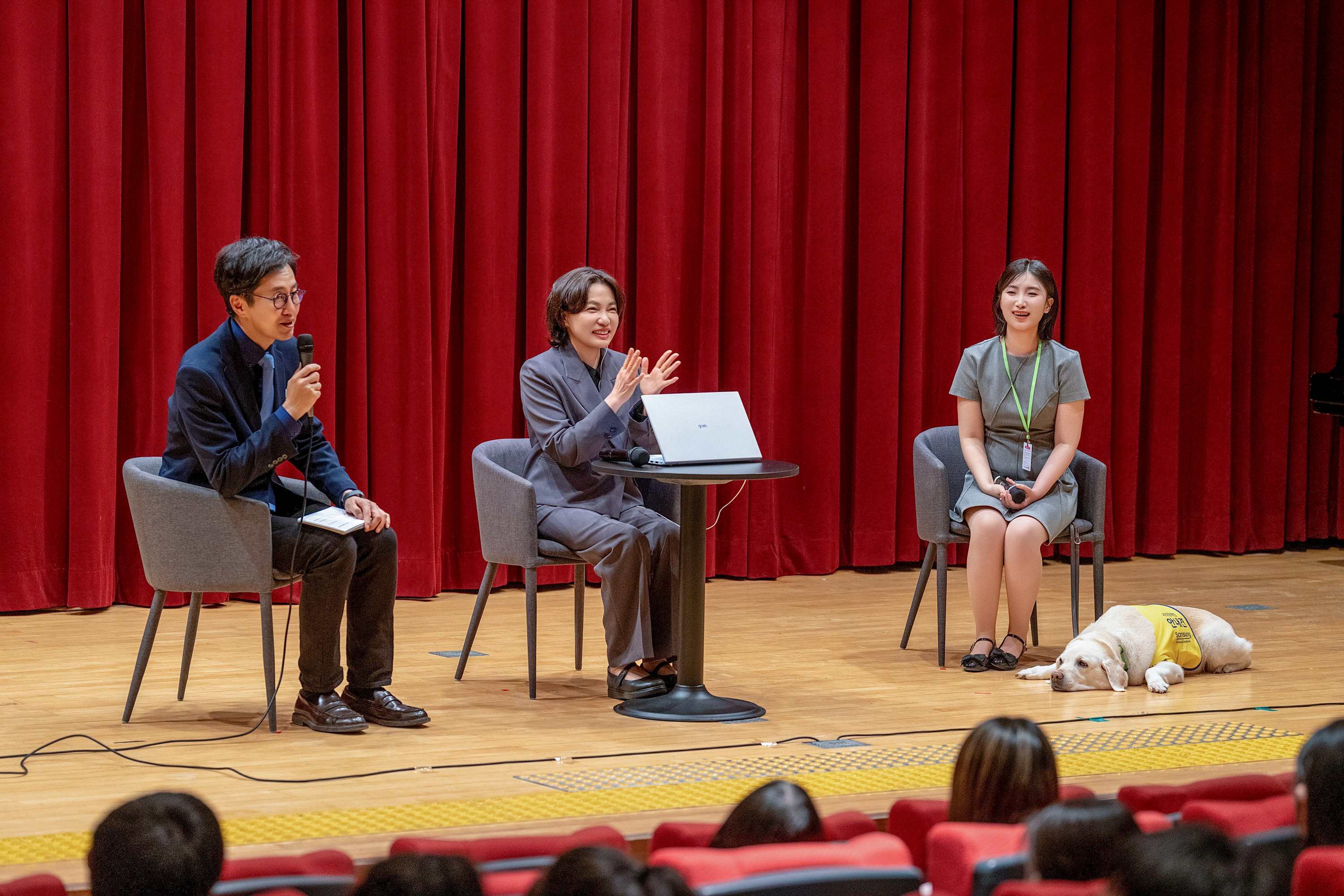
The Voice as Labor, Not Compensation
The emergence of audio description as a viable profession marks a subtle but important transition. It is no longer positioned as an auxiliary service attached to visual media, but as a parallel narrative layer with its own creative and interpretive authority.
This matters because it challenges the hierarchy that privileges sight as the primary mode of storytelling. When a narrator interprets a scene, they are not merely describing what exists—they are reconstructing meaning. The voice becomes an active translator of emotion, pacing, and context, effectively reshaping the original work into a different sensory experience.
In that process, visually impaired individuals are no longer passive recipients of accessibility tools. They become producers of meaning within the same cultural system that once excluded them.
Breaking the Myth of a “Correct Path”
One of the most striking ideas emerging from the discussion is the rejection of standardized pathways. The notion that mastering braille or following traditional benchmarks is the only route to professional success is quietly dismantled.
Instead, the emphasis shifts toward individualized methods—finding a way of working that aligns with one’s strengths rather than conforming to predefined expectations.
This matters because institutional systems often frame inclusion as adaptation: individuals must adjust themselves to existing structures. What is being suggested here is the opposite—structures can expand to accommodate diverse methods of participation.
That inversion is where real change begins.
Experience Expansion Through Interpretation, Not Access Alone
The emotional impact described—feeling the desire to travel again through audio-described content—points to something beyond technical accessibility. It highlights how interpretation can restore lost dimensions of experience.
Access alone delivers information. Interpretation delivers meaning.
Audio description, when done effectively, does more than explain visuals. It reconstructs atmosphere, intention, and emotional rhythm. In doing so, it enables experiences that are not second-hand but re-authored.
This matters because it reframes accessibility from a compliance issue into a creative field. The goal is no longer to “fill gaps” but to build alternative experiences that stand on their own.
From Representation to Participation
There is also a broader structural implication in allowing visually impaired individuals to take part in the production process itself. Representation has long been a central goal in discussions of diversity, but participation goes further.
When individuals who rely on audio description also create it, the feedback loop becomes internal. The system begins to refine itself based on lived experience rather than external assumptions.
This matters because it reduces the distance between audience and creator. Accessibility is no longer designed “for” a group—it is shaped “by” that group.
A New Definition of Entertainment Equity
The idea of enjoying entertainment “without time difference” suggests an ambition for simultaneity—experiencing content at the same cultural moment as everyone else.
This is not just about inclusion; it is about cultural presence. Being able to engage with content in real time determines whether someone participates in shared conversations, trends, and emotional moments.
This matters because exclusion is often temporal as much as it is physical. Delayed or limited access creates a secondary audience. Eliminating that gap repositions marginalized viewers as part of the primary cultural flow.
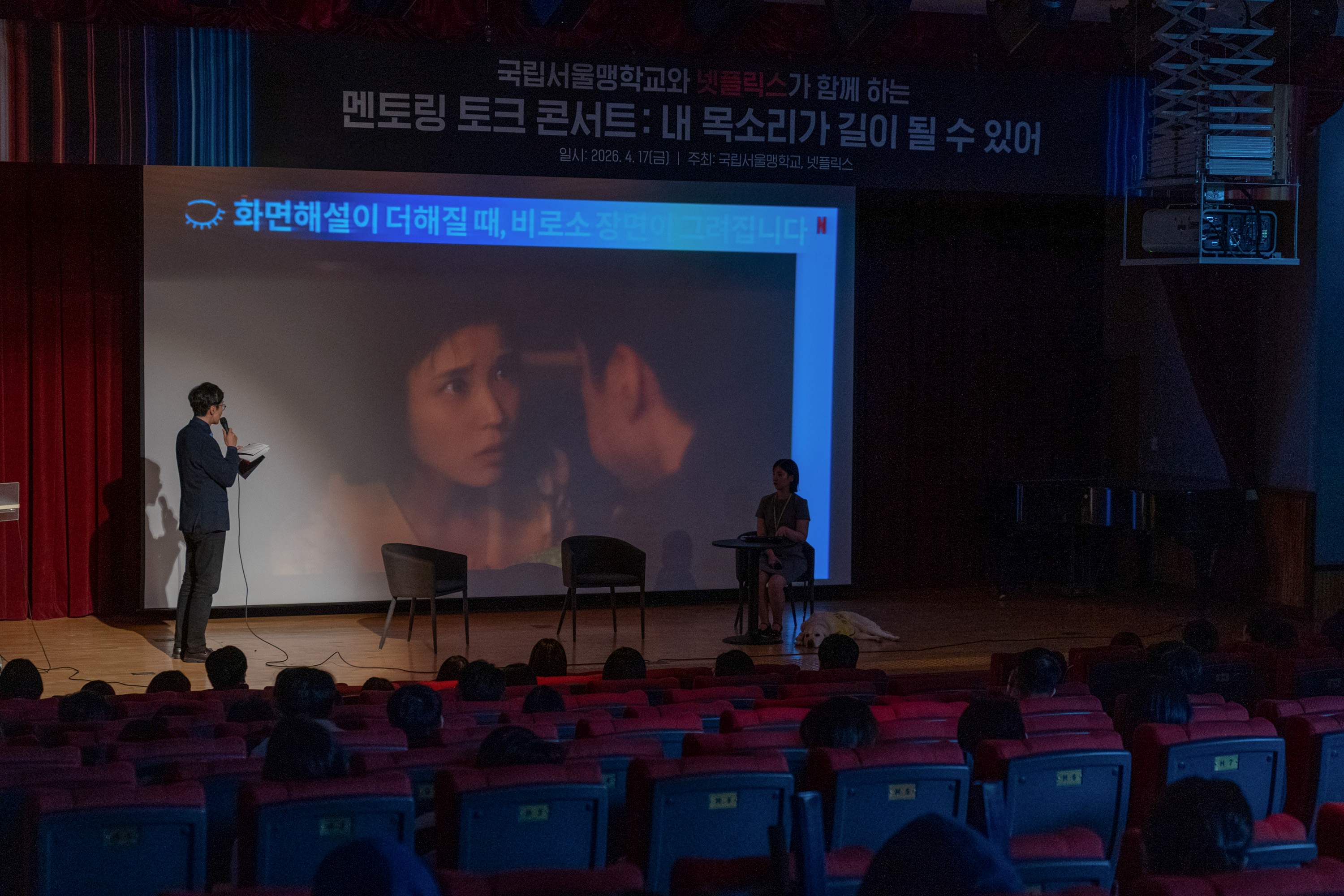
What Does It Mean to Build a Path That Didn’t Exist?
The recurring message—finding one’s own way rather than following a predetermined route—raises a larger question about how professions themselves evolve.
If roles like audio description narrator continue to expand, they may not remain niche positions but become integral parts of content creation. That would suggest a future where storytelling is inherently multi-sensory from the outset, rather than retrofitted for accessibility.
The more interesting question, then, is not whether these opportunities will grow—but whether the definition of storytelling itself will change alongside them.
If voice can redefine how stories are experienced, what other “non-primary” senses or perspectives might eventually reshape the way we create and consume media?