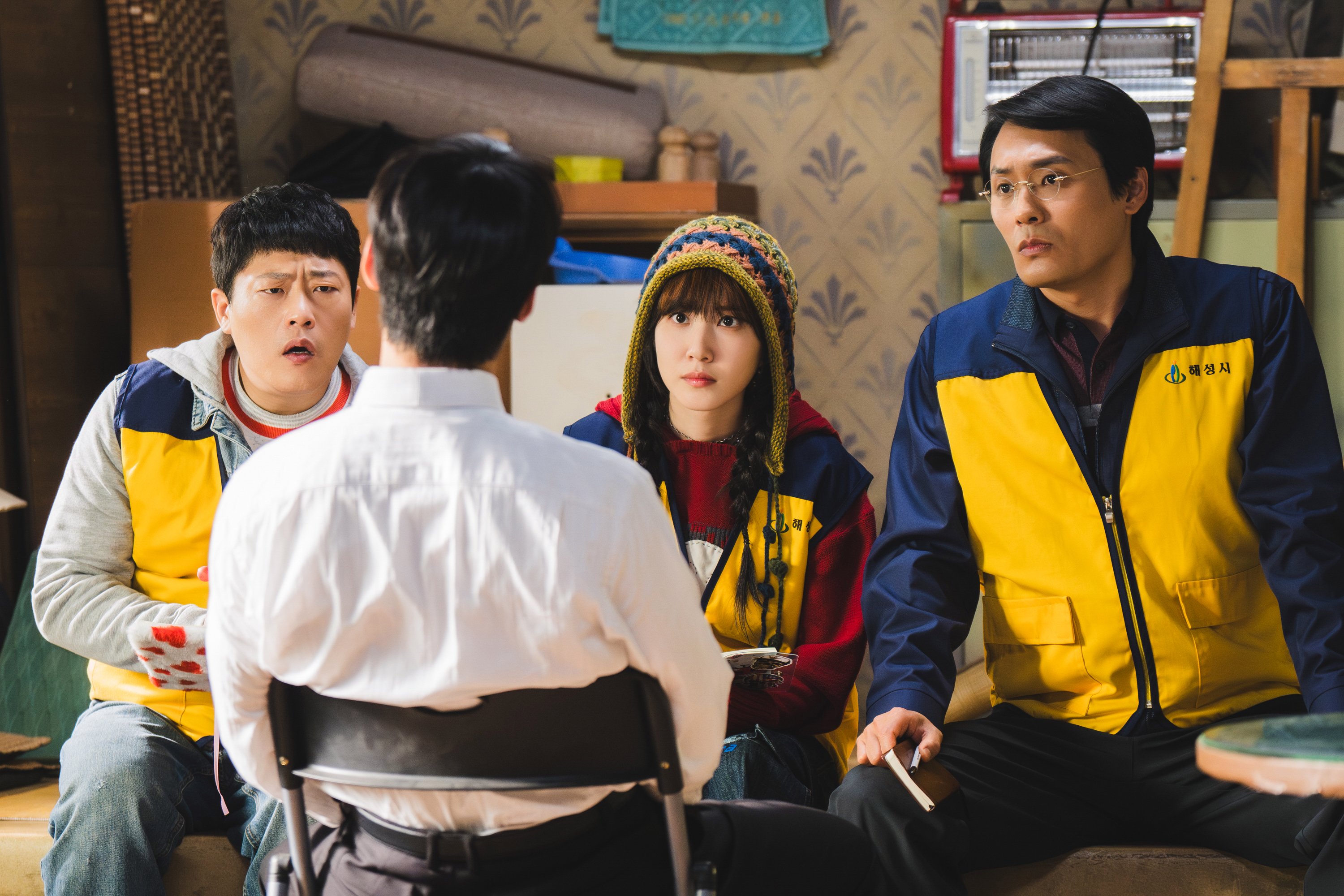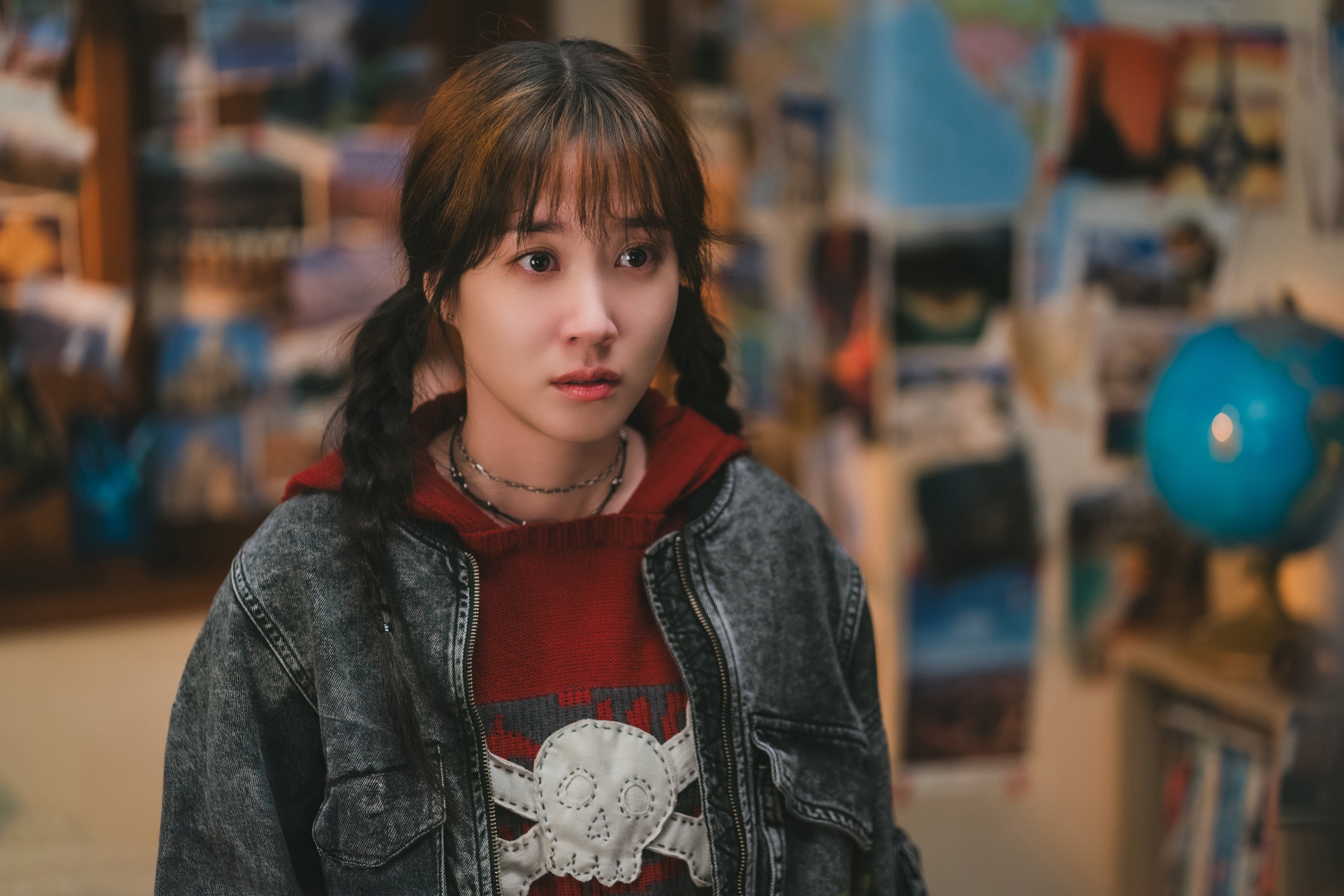

Most superhero stories begin with competence. Even when characters are inexperienced, their abilities quickly become extensions of confidence, destiny, or greatness. The WONDERfools appears to move in the opposite direction. Its central idea is not that ordinary people become heroes, but that deeply unprepared and socially awkward people are forced into heroism before they even understand themselves.
That distinction matters because the series seems less interested in spectacle than in instability. The powers are not presented as fulfillment. They look disruptive, embarrassing, and psychologically inconvenient. Instead of becoming larger-than-life figures, the characters appear trapped between personal inadequacy and public responsibility. In a genre that often celebrates control, The WONDERfools may be asking what happens when power amplifies confusion rather than certainty.

Superpowers Become Extensions of Personal Weakness
The newly revealed stills suggest that every ability in the series is tied to emotional contradiction. Eun Chae-ni, played by Park Eun-bin, does not experience teleportation as liberation. The imagery instead frames it as accidental displacement. Her confused expression in the middle of a snowy mountain creates a visual joke, but it also reveals the emotional logic of the character: she is constantly somewhere she never intended to be.
That idea feels central to the show’s identity. The powers do not solve the characters’ problems. They externalize them.
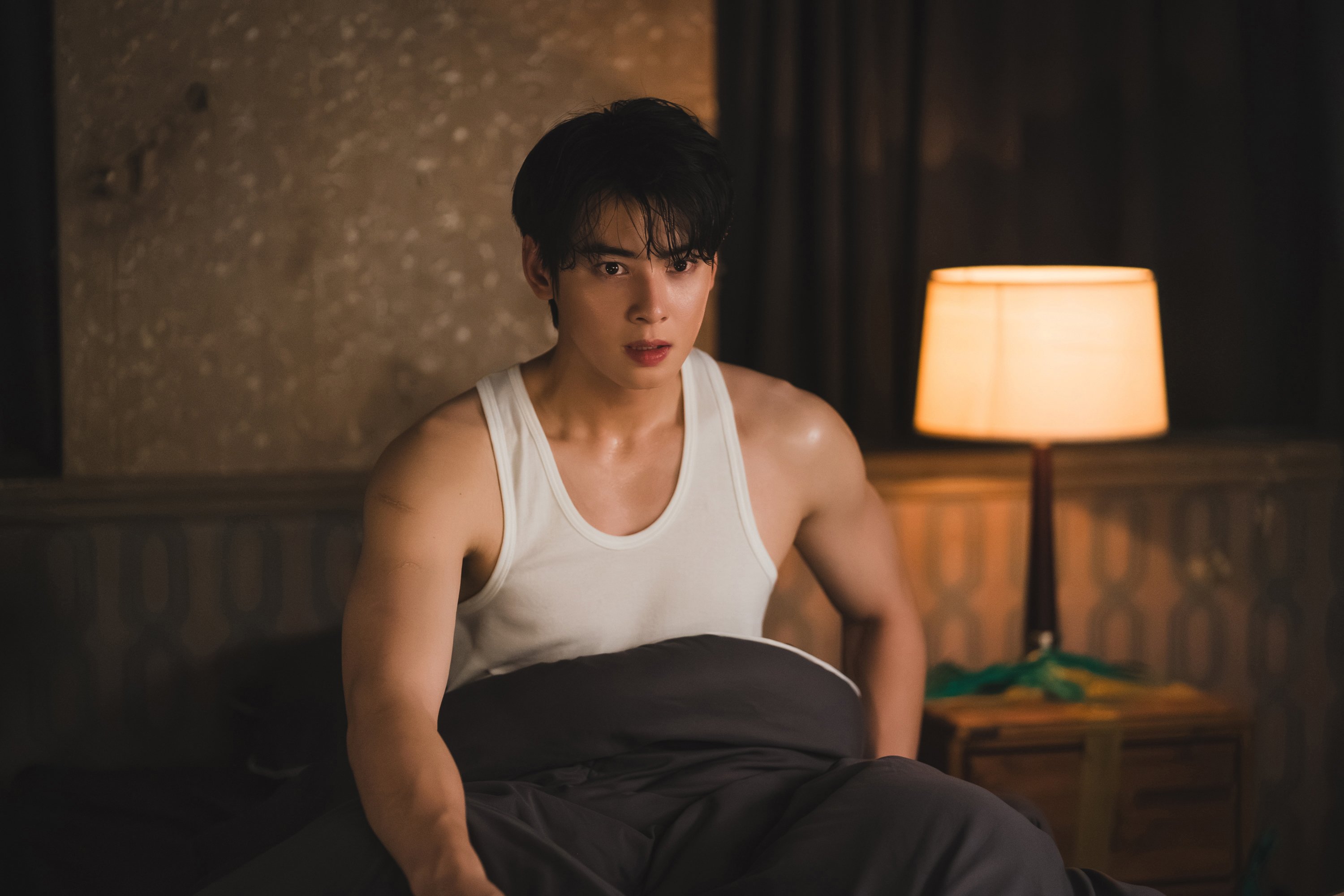
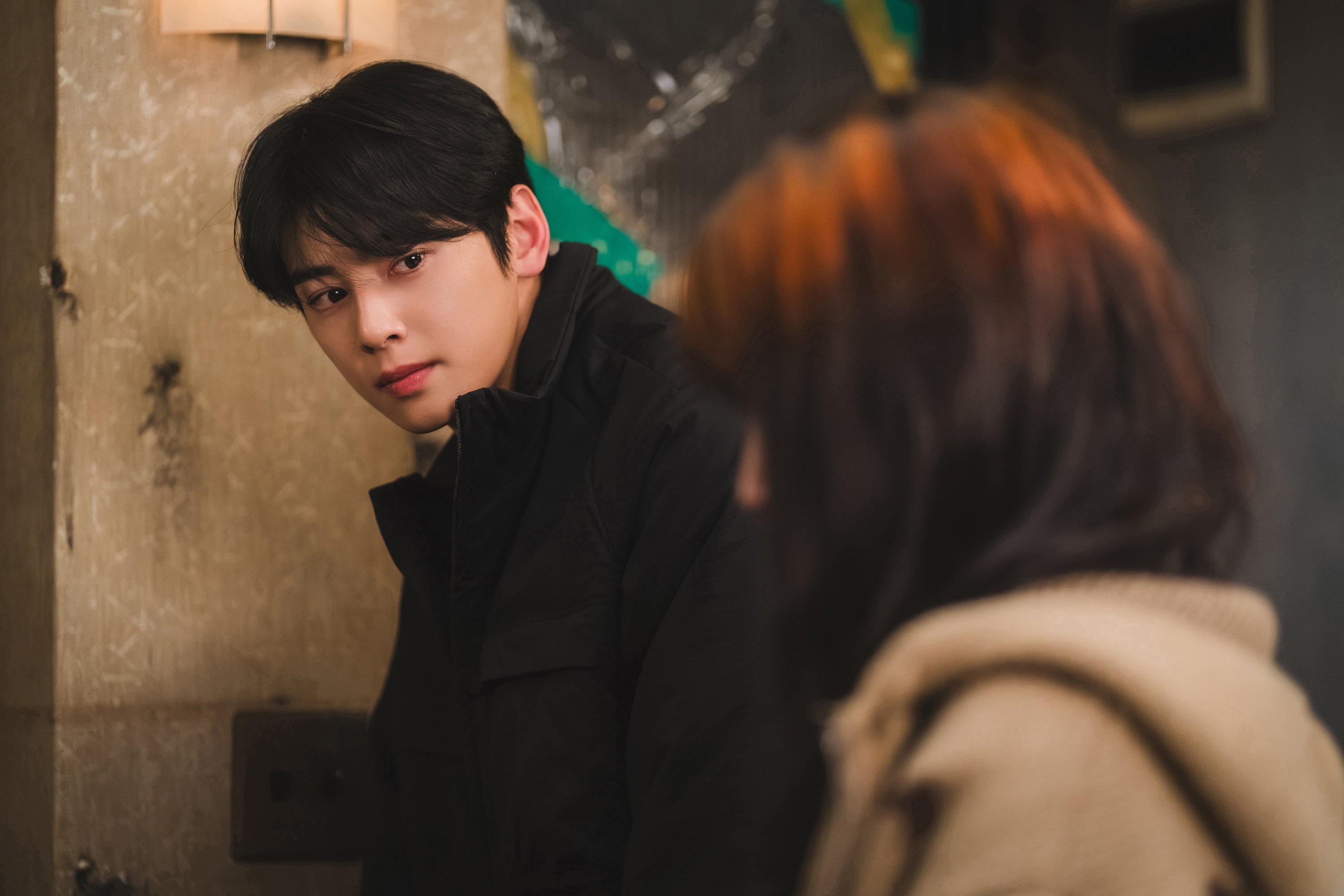
Lee Woon-jung, portrayed by Cha Eun-woo, appears outwardly ordinary despite hints of hidden abilities. The contrast between bureaucratic normalcy and concealed power suggests a recurring tension within Korean fantasy dramas: the fear that modern adulthood demands emotional suppression. The exhausted image of him waking from sleep implies that whatever power he possesses is not empowering in a traditional sense. It looks burdensome.
The same applies to Son Kyung-hoon and Kang Robin. One gains sticky adhesive-like abilities that literally trap him in humiliating positions, while the other receives enormous strength despite being timid and easily manipulated. These are not elegant superhero metaphors. They are comedic distortions of personality flaws.
That is why the comedy may work beyond surface-level slapstick. The humor seems rooted in imbalance. Every character appears fundamentally mismatched with the role they are expected to perform.
The Late-1990s Setting Is More Than Nostalgia
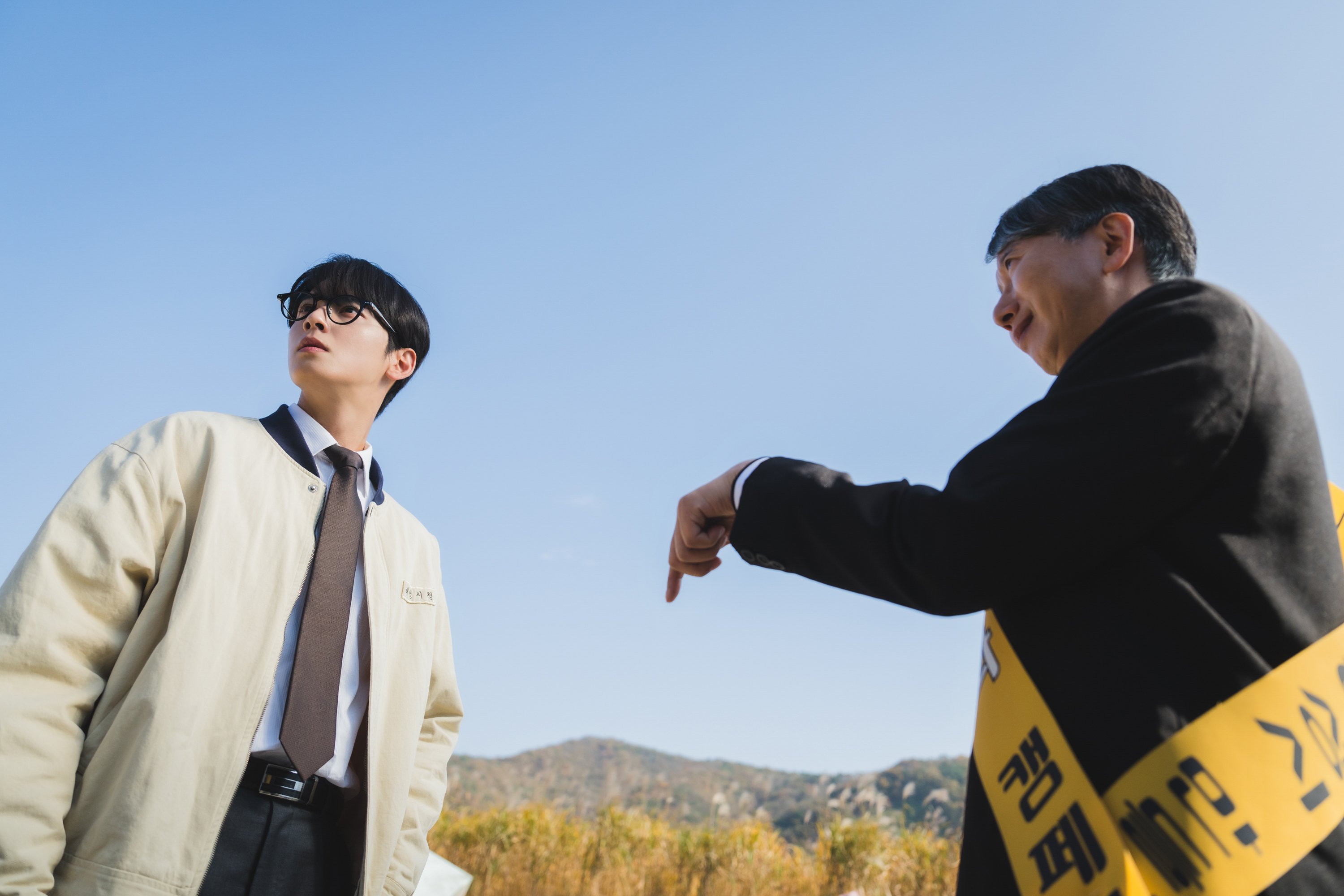
Setting the story in 1999 is unlikely to be just aesthetic decoration. Korean dramas frequently use the late 1990s as a symbolic transitional period — the moment between analog intimacy and digital fragmentation, between collective optimism and economic uncertainty after the Asian financial crisis.
In that context, the idea of accidental heroes becomes more meaningful. The characters are not polished individuals shaped by a hyper-connected modern world. They belong to a more chaotic social environment where identity itself feels unstable. Their incompetence is therefore not merely comedic; it reflects a society entering an uncertain future without preparation.
This temporal setting also changes how viewers interpret the superhero genre itself. Western superhero narratives are often tied to institutional systems — governments, corporations, advanced technology, or global-scale threats. The WONDERfools seems deliberately local. The heroes are attached to Haeseong City, not the planet. Their problems appear messy, communal, and personal rather than apocalyptic.
That smaller scale may become the show’s greatest advantage. By reducing the distance between heroism and everyday life, the series can focus on social relationships instead of mythmaking.


The Villains May Represent Systems Rather Than Evil
The introduction of the “Wunderkinder Project” immediately shifts the tone from chaotic comedy toward controlled experimentation. The project leader Ha Won-do, played by Son Hyun-joo, appears connected to a hidden research operation involving superhuman abilities. Unlike the accidental heroes, these figures seem organized, intentional, and ideologically driven.
That contrast may define the deeper conflict of the series.
The protagonists stumble into power without understanding it, while institutional actors attempt to classify, weaponize, and control it. In many contemporary Korean genre dramas, the true antagonist is not individual evil but systemic obsession — organizations that transform human unpredictability into measurable utility.
If that pattern continues here, the villains may not simply threaten physical destruction. They may threaten spontaneity itself.
The presence of Kim Jeon-bok, portrayed by Kim Hae-sook, complicates this dynamic further. As a former loan shark with immense charisma and influence, she occupies a morally ambiguous space between protection and intimidation. Her fierce desire to protect her granddaughter suggests that the series may reject clean divisions between heroes and antiheroes.
That ambiguity is important because The WONDERfools does not appear interested in idealized morality. Everyone seems compromised in some way. Even the protectors carry traces of selfishness, fear, or violence.

Comedy May Be the Series’ Most Subversive Element
Many recent superhero projects pursue emotional heaviness in order to appear culturally important. Trauma, destruction, and existential despair have become standard genre language. The WONDERfools seems positioned against that trend.
Its comedy does not look secondary. It looks structural.
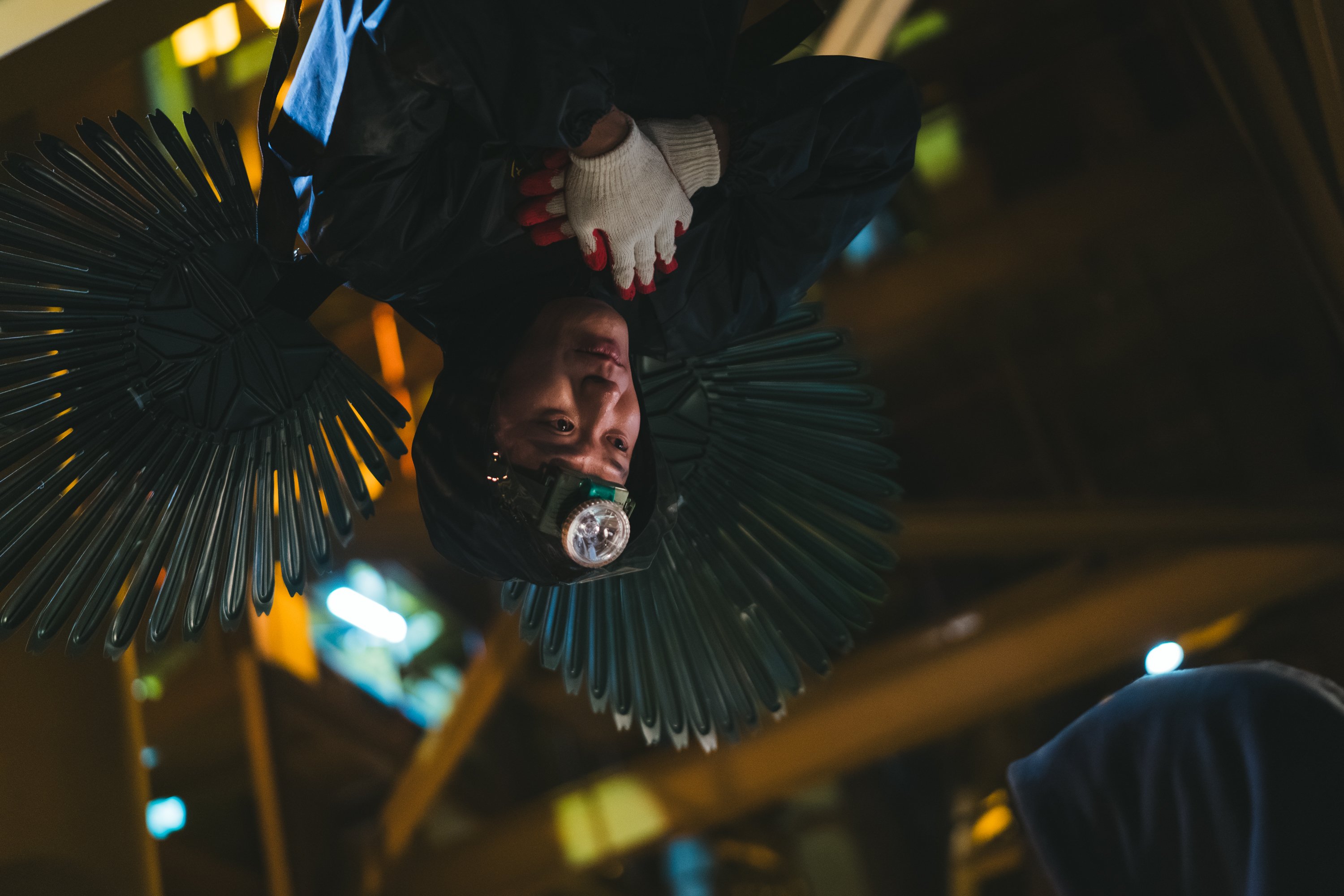
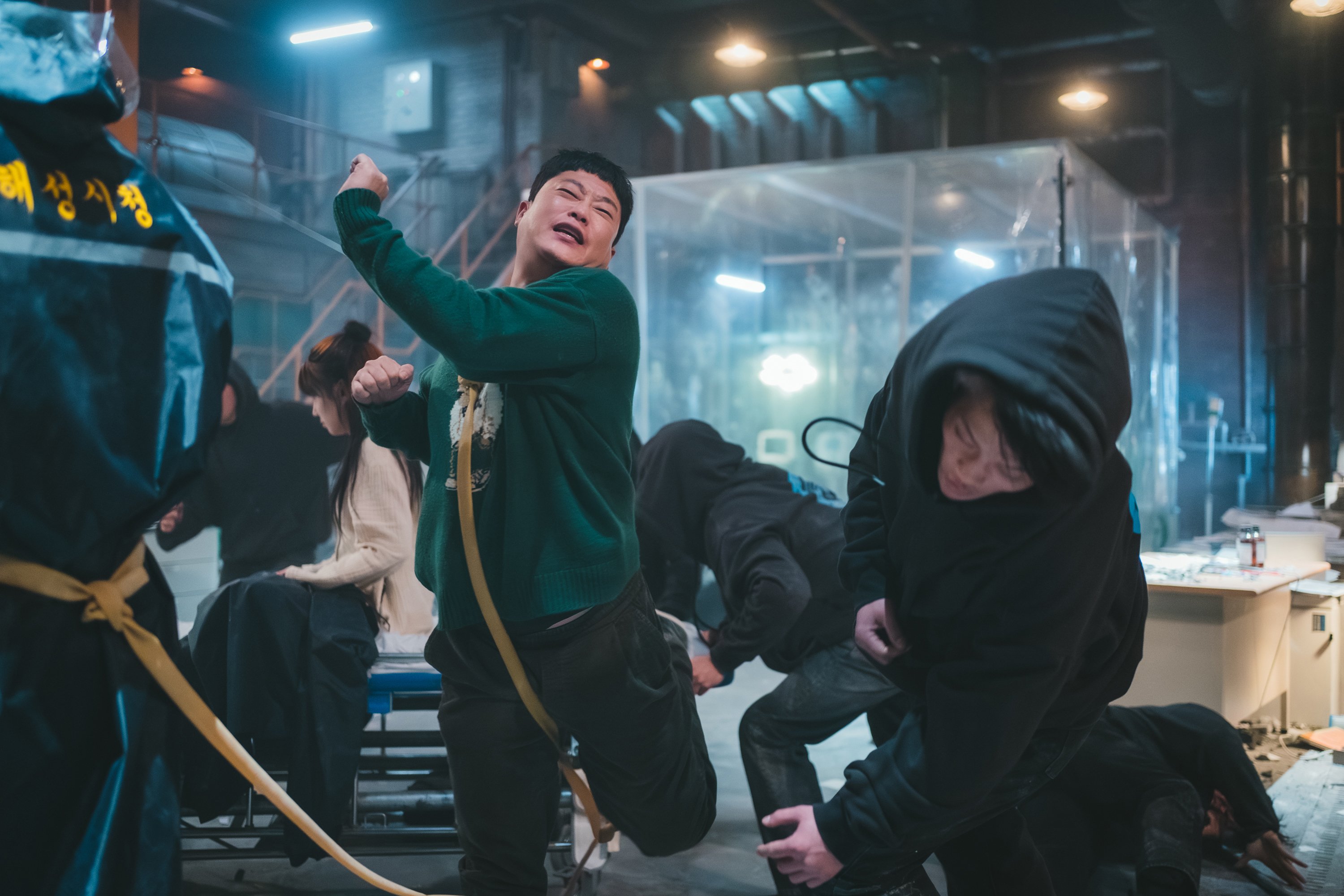
The awkward flying, accidental teleportation, sticky ceilings, and clumsy fights all suggest a world where heroism is fundamentally undignified. That perspective changes the emotional contract with the audience. Instead of admiring perfect figures, viewers are invited to recognize themselves in people who fail publicly and repeatedly.
That kind of humor often creates stronger emotional attachment than competence-driven storytelling. Failure humanizes characters faster than victory.
The casting choices reinforce this approach. Park Eun-bin and Cha Eun-woo both carry strong audience expectations based on previous roles, yet the stills deliberately undermine glamour and composure. The actors appear physically uncomfortable, emotionally uncertain, and socially awkward. The series seems aware that deconstructing star images can itself become part of the comedy.

Why Imperfect Heroes Feel More Relevant Right Now
The popularity of flawed ensemble stories reflects a broader cultural exhaustion with exceptionalism. Audiences increasingly distrust narratives built around singular genius, chosen-one mythology, or invincible leadership. Characters who barely function — yet continue trying anyway — often feel emotionally closer to real life.
The WONDERfools may succeed precisely because its heroes do not appear aspirational.
They look anxious, confused, and frequently overwhelmed by circumstances beyond their control. Yet they still move forward. That emotional structure resonates more deeply in periods of uncertainty than traditional power fantasies do.
The most interesting question surrounding the series is not whether these characters can defeat villains. It is whether they can become a community despite their contradictions. Their powers may ultimately matter less than their willingness to remain connected to one another.
If the show fully embraces that idea, The WONDERfools could become something more unusual than another superhero comedy. It could become a story about how collective inadequacy sometimes produces unexpected forms of solidarity.
And in a genre built on extraordinary individuals, that may be the most radical idea left.