A Comeback Story Works Best When It Starts From Embarrassment
Wild Sing is not interesting simply because it imagines a former mixed dance group trying to return after twenty years. Its sharper appeal comes from the uncomfortable gap between who the characters once were and how the world now sees them. Comedy grows from that distance, but so does the film’s emotional weight.
The idea of “Triangle” reuniting is funny because pop culture rarely treats aging idols kindly. Fame is remembered as a highlight reel, while failure is stored as a joke. That makes the group’s return less about nostalgia and more about whether people can survive being reduced to their most ridiculous past.
The Film Uses Fandom as a Mirror, Not Just a Joke
The fictional fandoms around Triangle and Choi Sung-gon matter because they turn private failure into public performance. Fans remember names, colors, songs, and gestures long after the industry moves on. That memory can be affectionate, but it can also trap the characters inside outdated versions of themselves.
This is why the fan culture element feels more meaningful than a simple parody. The characters are not only trying to perform again; they are trying to negotiate with an audience that already owns part of their identity.
The Casting Makes the Comedy Feel Slightly Unstable
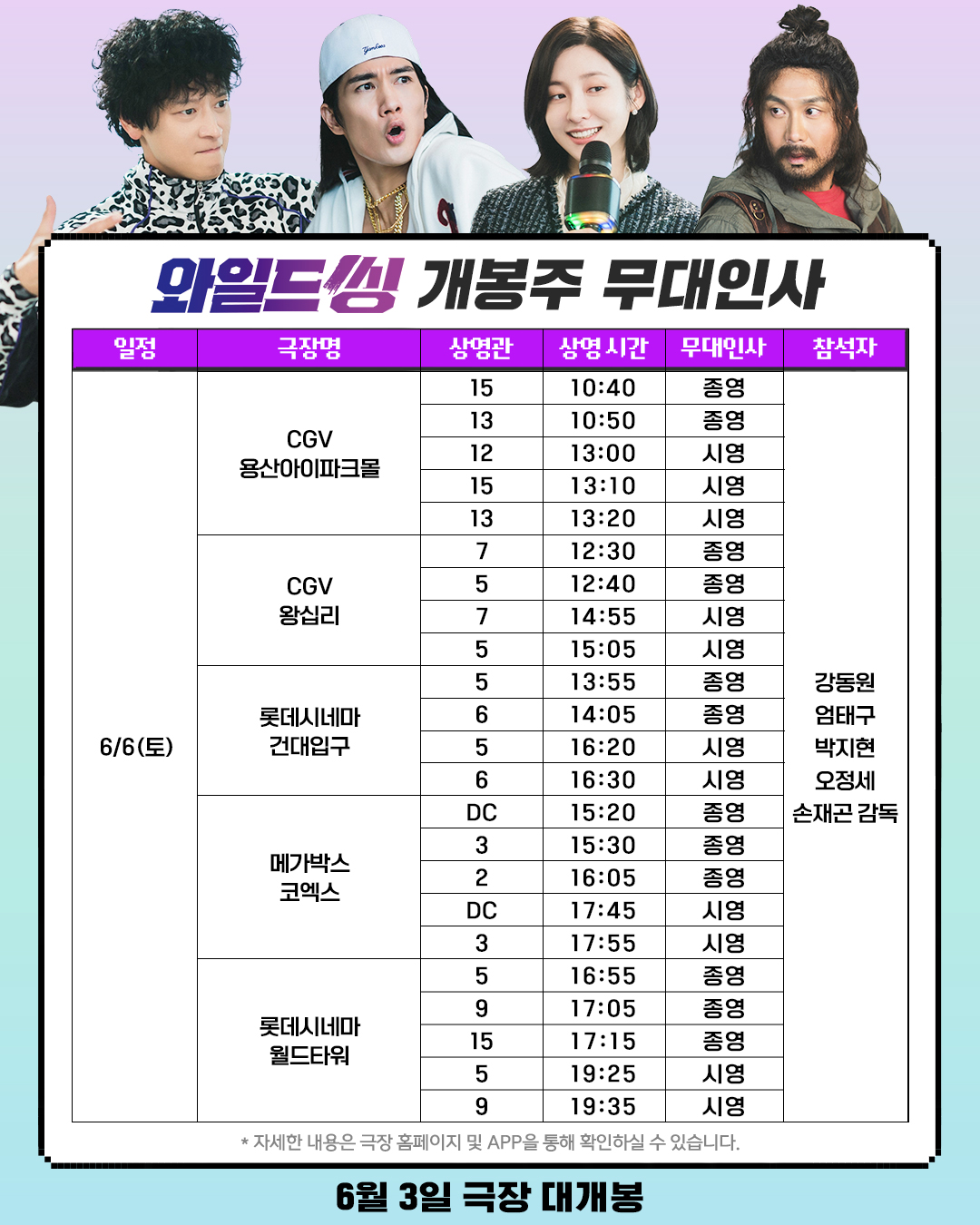
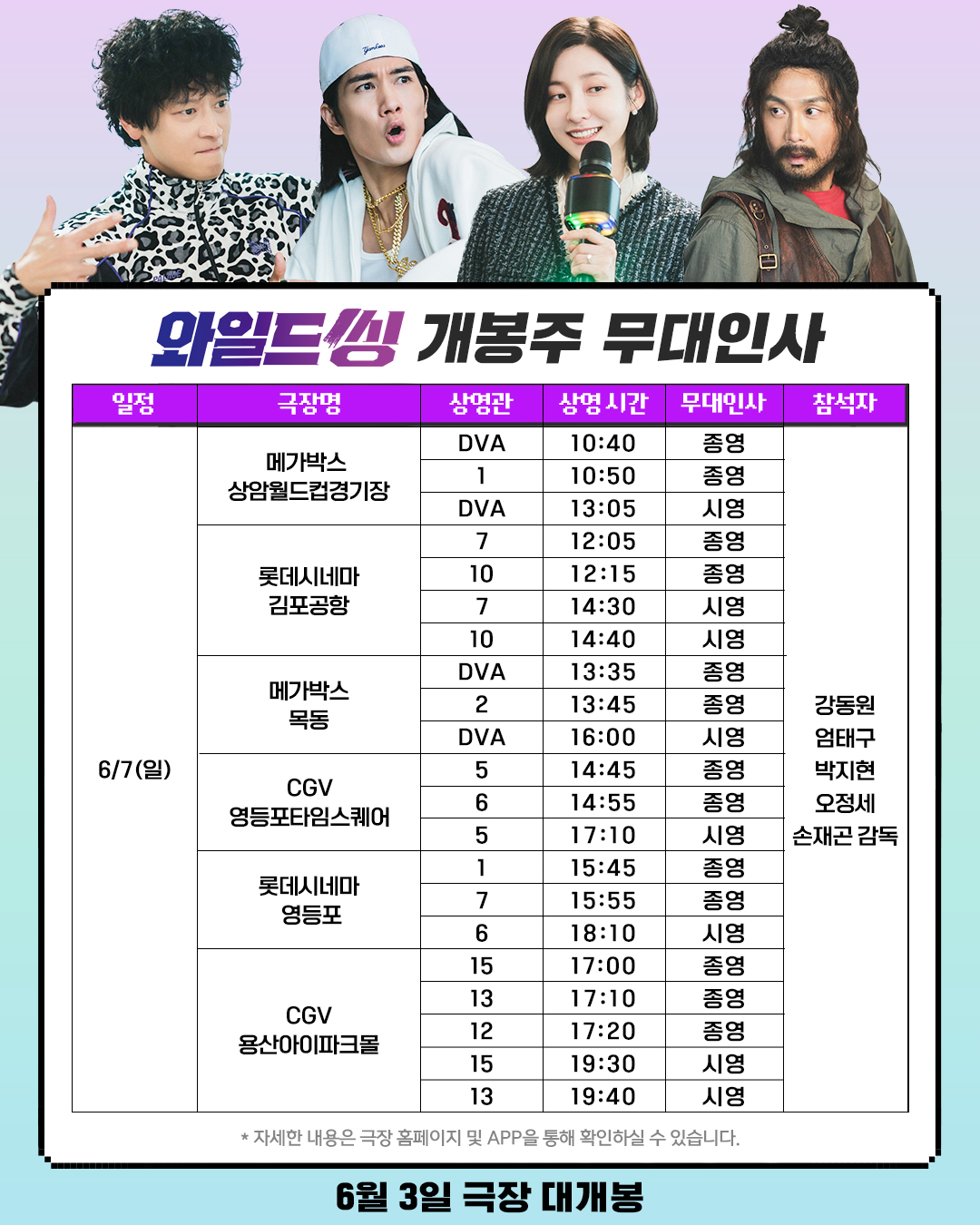
Kang Dong-won, Um Tae-goo, Park Ji-hyun, and Oh Jung-se bring different screen images into a deliberately absurd setup. That contrast is important. The humor depends on actors who do not all naturally belong to the same comic rhythm.
Rather than smoothing out that mismatch, Wild Sing appears to use it as texture. A comeback group should feel slightly awkward. If the chemistry were too polished, the premise would lose the embarrassment that makes it work.
The Real Subject Is Not Music, but the Fear of Becoming Outdated
The film’s dance-group premise points to a larger anxiety: what happens when an era changes faster than the people who once defined it? Twenty years is long enough for style to become parody and confidence to become evidence of delusion.
That is why the comeback structure has dramatic value. It forces the characters to ask whether reinvention means rejecting the past or performing it with new self-awareness. The answer is likely somewhere in the discomfort between pride and humiliation.
Why This Kind of Comedy Feels Timely
Korean entertainment has become increasingly skilled at turning fictional pop culture into believable media ecosystems. Songs, fandom names, character branding, and promotional play are no longer side details. They become part of the story’s meaning.
Wild Sing fits that trend because it treats performance as something that continues outside the stage. The characters are always performing: for fans, for the public, for each other, and for the younger versions of themselves they cannot fully abandon.
A Second Chance Is Never Just a Return
The most interesting question in Wild Sing is not whether Triangle can succeed again. It is whether success would even mean the same thing after twenty years. A comeback can restore dignity, but it can also expose how fragile that dignity was.
That tension leaves the film open to more than easy nostalgia. Maybe the past is not something to escape or repeat. Maybe it is something people have to embarrass themselves with one more time before they can finally understand it.