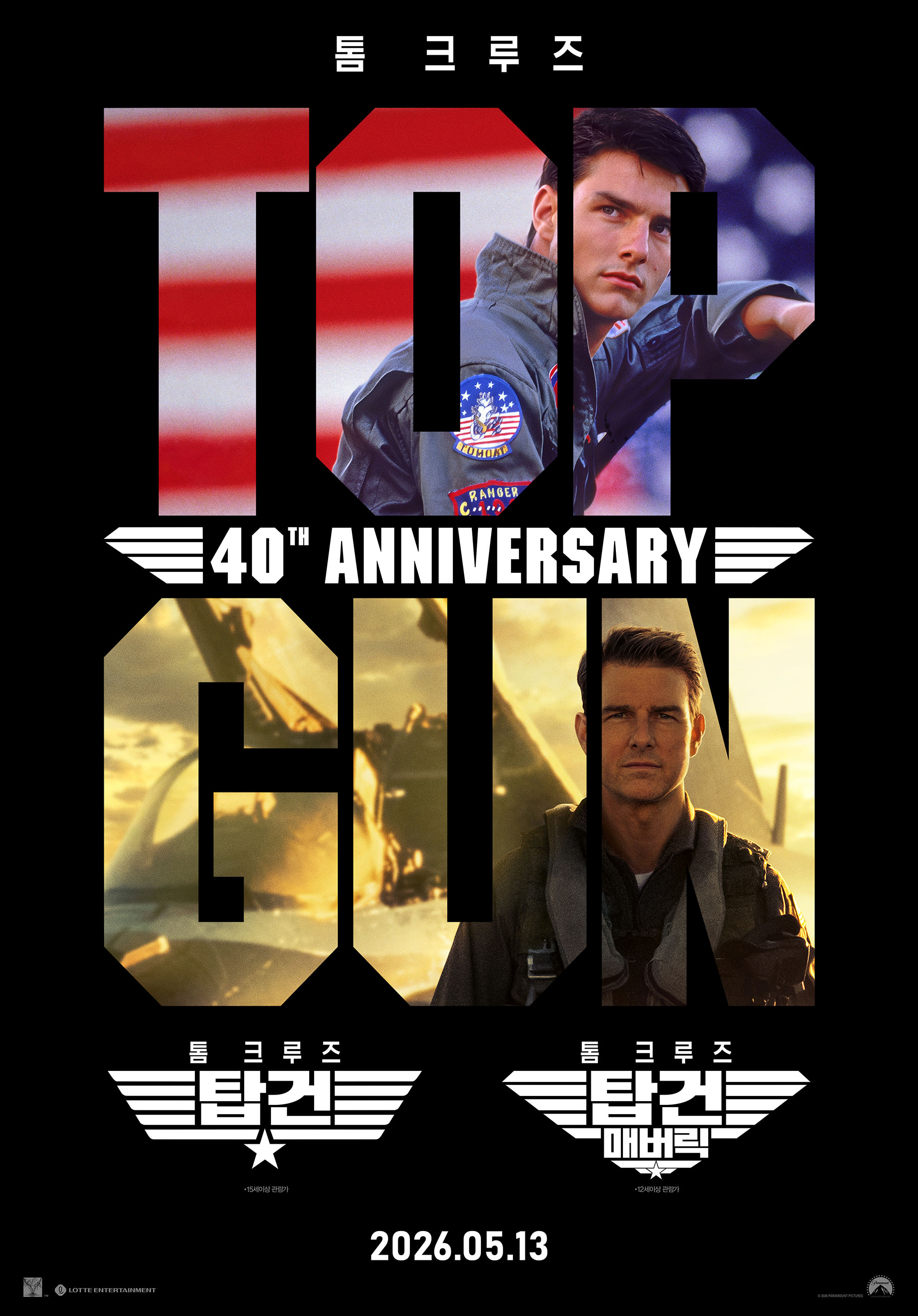
Forty years later, Top Gun remains strangely resistant to nostalgia. Many blockbuster franchises survive through repetition, but Top Gun continues to feel immediate because it was never only about fighter jets or military spectacle. The films are really about velocity itself — the psychological need to move faster than fear, aging, failure, and irrelevance. That emotional engine is what allowed Top Gun: Maverick to resonate with audiences decades after the original instead of feeling like a delayed sequel designed purely for brand recognition.
The return of these films to theaters highlights something modern streaming culture often diminishes: scale changes meaning. Watching Top Gun on a laptop turns the films into conventional action dramas. Watching them in a theater restores the physical sensation that defines the series. The roar of engines, the spatial disorientation of aerial combat, and the constant pressure of speed are not decorative elements. They are the emotional language of the films themselves.
Maverick survives because he refuses stability
The enduring appeal of Maverick is not simply charisma. Tom Cruise built the character around contradiction. Maverick is reckless but disciplined, emotionally detached yet desperate for approval, rebellious while operating inside rigid institutions. Most action heroes eventually become symbols of competence. Maverick remains unstable, and that instability is what keeps the character alive across generations.
In the 1986 film, speed represents youthful defiance. Maverick flies dangerously because he believes identity is something earned through risk. The aerial sequences are less about combat strategy than about ego and emotional momentum. The sky becomes a competitive arena where masculinity, insecurity, and ambition collide at impossible velocity.
What makes Top Gun: Maverick more interesting is that the sequel refuses to romanticize aging. Maverick is still chasing speed, but now the pursuit feels existential. The character understands that institutions evolve faster than individuals. Younger pilots are more technologically fluent, warfare is becoming increasingly automated, and the culture around heroism has changed. Yet Maverick continues flying because motion itself is the only place where he still recognizes himself.
That shift transforms the sequel from nostalgia into something more reflective. The original film asks whether Maverick can become responsible. The sequel asks whether responsibility inevitably erases the qualities that made him exceptional in the first place.
The aircraft matter less than the body inside them
The franchise is frequently described as an aviation spectacle, but its deeper obsession is physical vulnerability. Unlike many modern action films that rely heavily on digital abstraction, the Top Gun films constantly remind viewers that the human body is under pressure.
Pilots sweat, strain, gasp, and lose composure. G-forces distort faces and breathing patterns. Communication breaks down under stress. Even moments of triumph carry physical exhaustion. This emphasis on bodily limitation is why the films still feel tactile despite technological changes in filmmaking.
That realism became especially important in Top Gun: Maverick. Contemporary blockbusters often create distance between audiences and danger through excessive visual effects. Maverick reversed that trend by foregrounding cockpit photography and practical aerial sequences. The result was not merely visual authenticity but emotional credibility. Audiences could sense weight, momentum, and risk.
This matters because modern blockbuster cinema increasingly struggles to convey consequence. Spectacle has become larger while impact has become smaller. Top Gun succeeds because it understands that scale alone is meaningless without fragility.
The sequel succeeded by rejecting irony
One reason Top Gun: Maverick became culturally dominant is that it arrived during a period when many legacy sequels relied on self-awareness and cynical humor. Contemporary franchise filmmaking often protects itself emotionally through irony, constantly reminding audiences not to take anything too seriously.
Maverick moved in the opposite direction. It embraced sincerity without apology.
The film treats mentorship, sacrifice, fear, and redemption as emotionally legitimate themes rather than outdated blockbuster conventions. Even its sentimentality feels intentional. Instead of mocking the emotional intensity of the original film, the sequel amplifies it.
That choice explains why younger audiences connected with the movie despite limited attachment to the 1986 original. The appeal was not retro aesthetics alone. It was the rarity of a blockbuster willing to believe in emotional earnestness again.
The phrase “feel the need again” captures more than nostalgia for speed. It reflects a broader audience desire for movies that create uncomplicated cinematic exhilaration without constantly distancing themselves from emotion.
Why theatrical re-releases matter in the streaming era
The 40th anniversary screenings also reveal how certain films are inseparable from collective viewing. Streaming encourages fragmented attention and individualized consumption. Top Gun depends on synchronization between audience and image.
The tension before takeoff, the explosive release of engine noise, and the rhythm of aerial maneuvers become communal experiences inside a theater. Crowd reactions matter. Silence matters. Shared anticipation matters. The films were engineered for sensory immersion long before “immersive cinema” became a marketing term.
Special formats like CJ CGV SCREENX, 4DX, and Dolby Laboratories Cinema are effective not because they add gimmicks, but because they intensify the franchise’s core idea: cinema as physical sensation.
That distinction is important. Many action films become interchangeable once removed from theatrical scale. Top Gun arguably becomes incomplete.
The franchise quietly reflects changing ideas of heroism
The original Top Gun emerged from an era that celebrated individual swagger. Maverick’s recklessness is repeatedly forgiven because talent outweighs caution. The film reflects a cultural fascination with instinctive masculinity and competitive dominance.
By contrast, Top Gun: Maverick reframes heroism around emotional accountability. Maverick is no longer defined by rebellion alone. He becomes valuable because he protects others from repeating his mistakes.
This is why the relationship with Rooster carries more emotional weight than the romance in either film. The sequel is fundamentally about inheritance — what one generation passes to the next, intentionally or unintentionally.
That evolution gives the franchise unusual longevity. It adapted its emotional priorities without abandoning its identity. Many legacy sequels fail because they either imitate the past too closely or reject it entirely. Maverick succeeded because it understood which emotional components were timeless and which required reinterpretation.
Forty years later, Top Gun remains less interested in military victory than in the human desire to outrun limitation. The jets are symbols of acceleration, but the real conflict has always existed inside the pilots themselves. Fear, aging, grief, ego, regret — these are the forces Maverick keeps trying to escape at supersonic speed.
The enduring question may not be whether audiences still crave aerial spectacle. It may be whether modern cinema still knows how to create uncomplicated emotional momentum without hiding behind cynicism or fragmentation. Top Gun continues to resonate because it never stopped believing that velocity could feel transcendent.