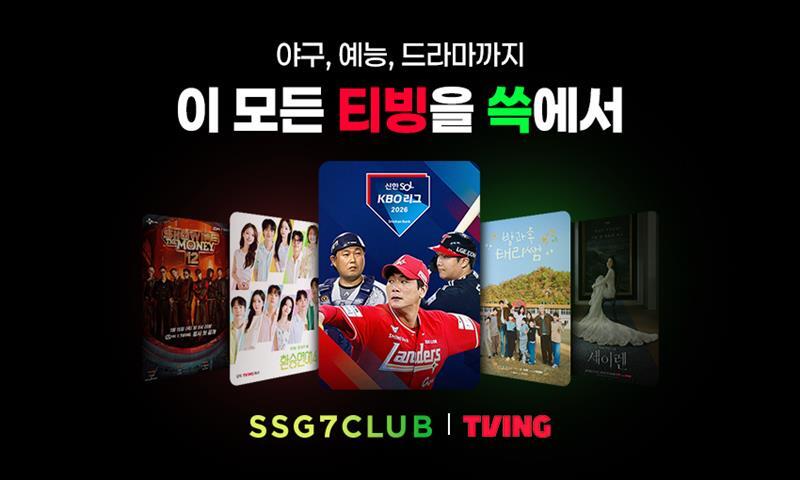
Streaming platforms once competed almost entirely on content libraries. The logic was simple: better shows attract more subscribers. But the partnership between Tving and SSG.com suggests that the competitive battlefield is shifting. The real question is no longer just what people watch, but how streaming platforms can integrate into the broader rhythms of daily consumption.
When a streaming subscription becomes linked to grocery shopping benefits, entertainment stops being an isolated digital activity. It begins to function as part of a wider lifestyle infrastructure.
Why Streaming Platforms Are Moving Beyond Content
For most of the streaming era, OTT platforms focused on two variables: exclusive content and subscription pricing. That model worked when the market was still expanding and new users were entering the ecosystem. As the market matures, however, the growth challenge changes.
In saturated environments, acquiring new viewers becomes harder and retaining existing ones becomes more important. Platforms begin to ask a different question: how can a subscription become indispensable rather than optional?
Bundling entertainment with everyday services is one answer. When a membership connects video streaming with something routine—such as grocery shopping—it changes the psychological value of the subscription. Canceling it no longer means losing only entertainment; it also means losing everyday benefits.
This shift reflects a broader transition in digital platforms from content providers to ecosystem builders.
Entertainment and Grocery Shopping: An Unexpected Strategic Pair
At first glance, the combination of streaming media and online grocery shopping may seem unrelated. One belongs to leisure, the other to necessity. Yet that contrast is precisely what makes the partnership strategically interesting.
Entertainment consumption tends to fluctuate depending on time, mood, or available content. Grocery shopping, by contrast, is habitual. People return to it regularly regardless of entertainment trends.
By linking the two behaviors inside a single membership framework, platforms attempt to stabilize engagement. A service that is tied to recurring consumer routines gains a stronger position in users’ daily decision-making.
This approach mirrors strategies seen in global platform ecosystems. The most successful digital memberships rarely focus on one service alone. Instead, they combine multiple everyday utilities that reinforce each other.
The result is not simply a bundle of benefits but a structural shift in how a platform is perceived.
Why OTT Companies Are Becoming Lifestyle Platforms
The streaming industry is experiencing a moment of strategic recalibration. Early growth was fueled by rapid expansion and aggressive content investment. Today, the conversation increasingly revolves around profitability, retention, and platform differentiation.
In this context, the idea of a lifestyle-oriented subscription model becomes attractive.
A platform embedded in daily routines generates several advantages:
- Higher retention rates because canceling disrupts multiple services
- Stronger user engagement across different activities
- Expanded data insights into consumer behavior beyond viewing patterns
- New partnership opportunities across commerce, telecom, and services
This transformation reframes streaming platforms as nodes within broader consumption networks rather than standalone media services.
Tving’s strategy reflects this shift toward ecosystem thinking.
The Strategic Logic of Partnership-Based Ecosystems
Building a comprehensive lifestyle platform from scratch requires enormous resources. Few companies possess the infrastructure to simultaneously operate streaming services, logistics networks, retail platforms, and payment systems.
Partnerships therefore become a faster route toward ecosystem expansion.
By collaborating with established commerce platforms, streaming services can extend their value proposition without building new infrastructure. Meanwhile, commerce platforms gain an additional engagement channel that keeps users within their ecosystem.
This reciprocal relationship creates what might be described as a “cross-utility membership.” Entertainment drives emotional engagement, while commerce provides functional utility.
The combination strengthens the overall subscription model.
A Familiar Pattern in Global Platform Competition
Although the specific collaboration may be new in the Korean market, the underlying strategy follows a recognizable global pattern.
Large technology platforms increasingly pursue bundled membership structures that combine entertainment, shopping benefits, and digital services.
These bundles reshape the meaning of a subscription. Instead of paying for a single category of service, users subscribe to a platform environment that integrates multiple parts of daily life.
The competitive advantage emerges from convenience. When a single membership connects several everyday activities, switching away from the ecosystem becomes progressively harder.
In that sense, integrated memberships operate less like entertainment products and more like digital infrastructure.
Why User Experience Is Becoming the Real Competitive Battlefield
Content quality still matters, but it is no longer the only dimension shaping user loyalty.
As streaming libraries begin to overlap and production costs rise, platforms must differentiate themselves in other ways. One powerful lever is user experience across services.
A membership that seamlessly connects streaming with other daily activities can create a perception of value that pure content competition cannot achieve.
From a user perspective, this changes the calculation behind a subscription decision. The question is no longer simply whether a show is worth watching. It becomes whether the membership itself offers broader lifestyle benefits.
Platforms that successfully integrate entertainment into daily routines may therefore achieve something more durable than temporary content popularity.
Content Still Plays a Critical Role—But in a Different Way
Even as platforms move toward ecosystem strategies, content remains essential. Exclusive shows and live events continue to drive initial attention and emotional engagement.
However, the role of content is gradually evolving.
Instead of functioning solely as a reason to subscribe, content becomes part of a larger engagement loop. A popular series may attract new users, but integrated benefits encourage them to stay within the ecosystem even after the show ends.
This dynamic transforms entertainment into an entry point rather than the entire value proposition.
Streaming platforms that recognize this shift are likely to invest not only in storytelling but also in the surrounding membership environment.
The Emerging “Consumption Loop” Around Digital Platforms
What makes integrated memberships powerful is their ability to create behavioral loops.
A viewer watches a show through a streaming service. The same membership offers benefits for another activity—shopping, ordering food, or accessing digital services. Each activity reinforces the relevance of the platform.
Over time, the membership becomes embedded in everyday habits.
This loop strengthens user retention because leaving the platform means breaking multiple routines simultaneously.
From a strategic perspective, the goal is not simply to increase viewership but to deepen the platform’s presence within daily life.
Why the Future of Streaming May Depend on Ecosystem Design
The next phase of competition in the streaming industry may not be defined solely by who produces the most popular shows.
Instead, it may hinge on which platforms design the most compelling ecosystems.
An ecosystem-oriented platform can leverage partnerships, services, and everyday utilities to create value that extends beyond entertainment. In such an environment, content becomes one layer of a much larger structure.
The companies that succeed will likely be those capable of connecting media consumption with broader consumer experiences.
Streaming, in this sense, becomes less about watching and more about belonging to a digital environment.
What This Shift Reveals About the Changing Nature of Digital Membership
Digital subscriptions are gradually evolving into something closer to lifestyle infrastructure.
What began as simple access to media libraries is turning into membership in interconnected service networks. Entertainment, shopping, mobility, and communication increasingly converge within platform ecosystems.
This raises an interesting question about the future trajectory of OTT services.
Will streaming platforms remain primarily entertainment providers, or will they evolve into central hubs that organize everyday consumption?
The answer may depend less on the next blockbuster series and more on how successfully platforms redefine the meaning of membership itself.