Tension in BEEF has never been limited to simple anger. What initially appeared as a story about personal resentment quickly revealed something deeper: the quiet instability beneath modern social life. BEEF Season 2 pushes that idea into a new environment where power, wealth, and reputation shape every interaction. The result is a narrative that treats conflict not as emotional chaos but as a calculated game played within rigid hierarchies.
This shift matters because the series moves away from spontaneous confrontation toward a structured system of pressure. Inside elite spaces, anger rarely appears openly. It is negotiated, hidden, and strategically deployed. By placing multiple characters inside an exclusive social ecosystem, the story begins to examine how resentment evolves when it must operate within strict boundaries of privilege.

Anger becomes a controlled weapon rather than an emotional explosion
In its earlier form, the narrative revolved around individuals losing control. Small frustrations accumulated until they erupted into actions that spiraled beyond anyone’s expectations. Those reactions felt messy and unpredictable because they were rooted in private emotional instability.
The new storyline suggests a different mechanism. Characters now operate within a world where status determines who can speak freely and who must remain cautious. Outbursts are dangerous because they expose vulnerability. Maintaining composure becomes part of survival.
This transformation alters the meaning of anger within the story. Rage is no longer simply an emotional breakdown. Instead, it becomes something characters attempt to harness or suppress depending on what benefits them most. The tension grows not from visible conflict but from the effort to keep that conflict hidden.
That restraint creates a colder, more strategic form of drama.
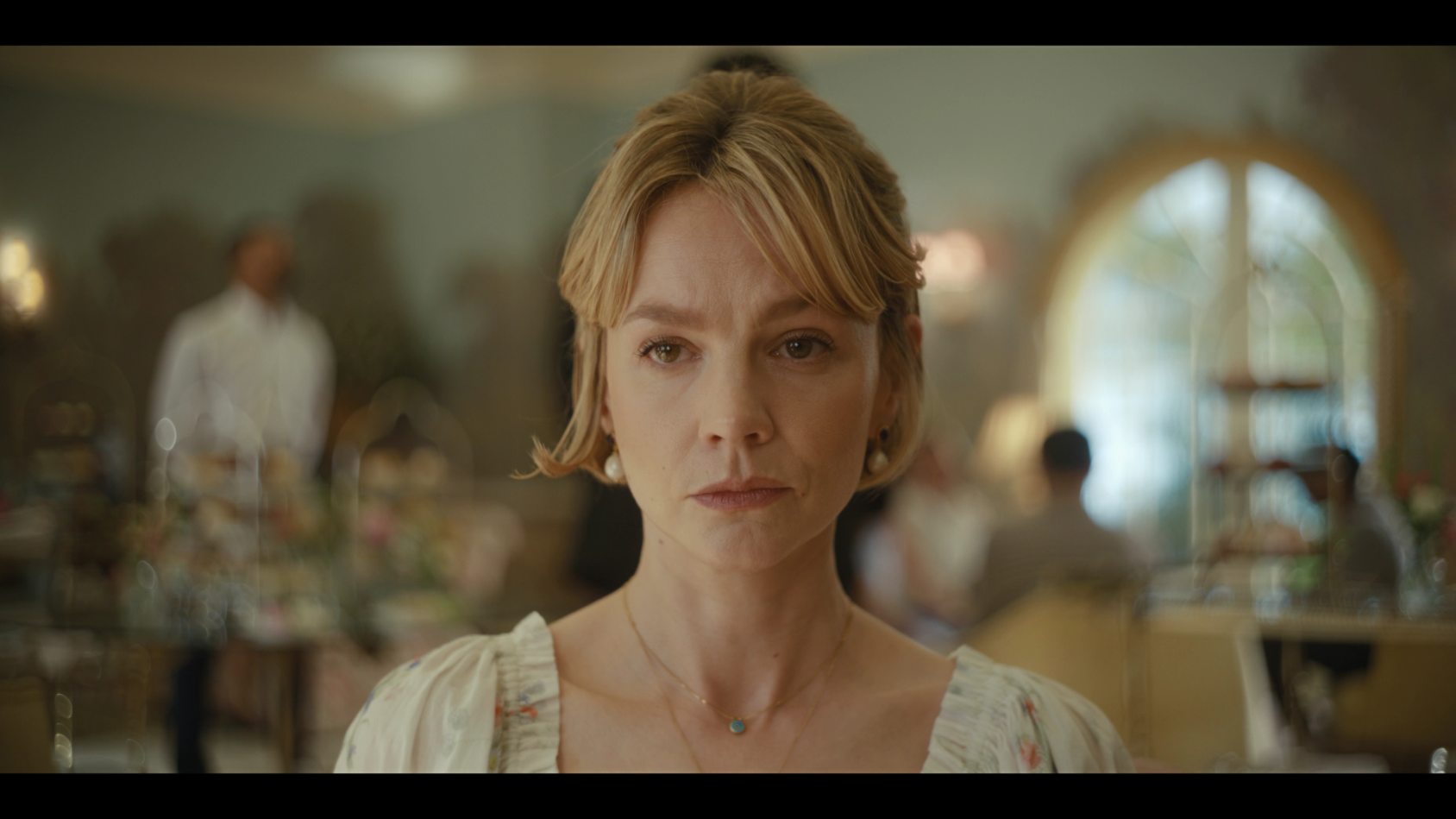
Two couples reveal how differently power is experienced
One of the most intriguing dynamics emerges through the contrast between two couples whose lives intersect in the same environment. Their relationships with the social structure surrounding them could not be more different.
One pair exists comfortably within privilege. Their position inside elite circles allows them to move through the environment with confidence. Access, influence, and security are built into their daily lives. Conflict, when it occurs, is usually managed privately and contained within the boundaries of status.
The other couple occupies a far more precarious position. Their connection to the same environment is defined by labor rather than ownership. They observe the world of wealth from its margins, interacting with it constantly while remaining outside its protective shield.
When these two perspectives collide, the story begins to explore how class difference shapes perception. The same event can mean entirely different things depending on where someone stands within the hierarchy.
The result is not simply a generational contrast but a deeper examination of structural inequality.
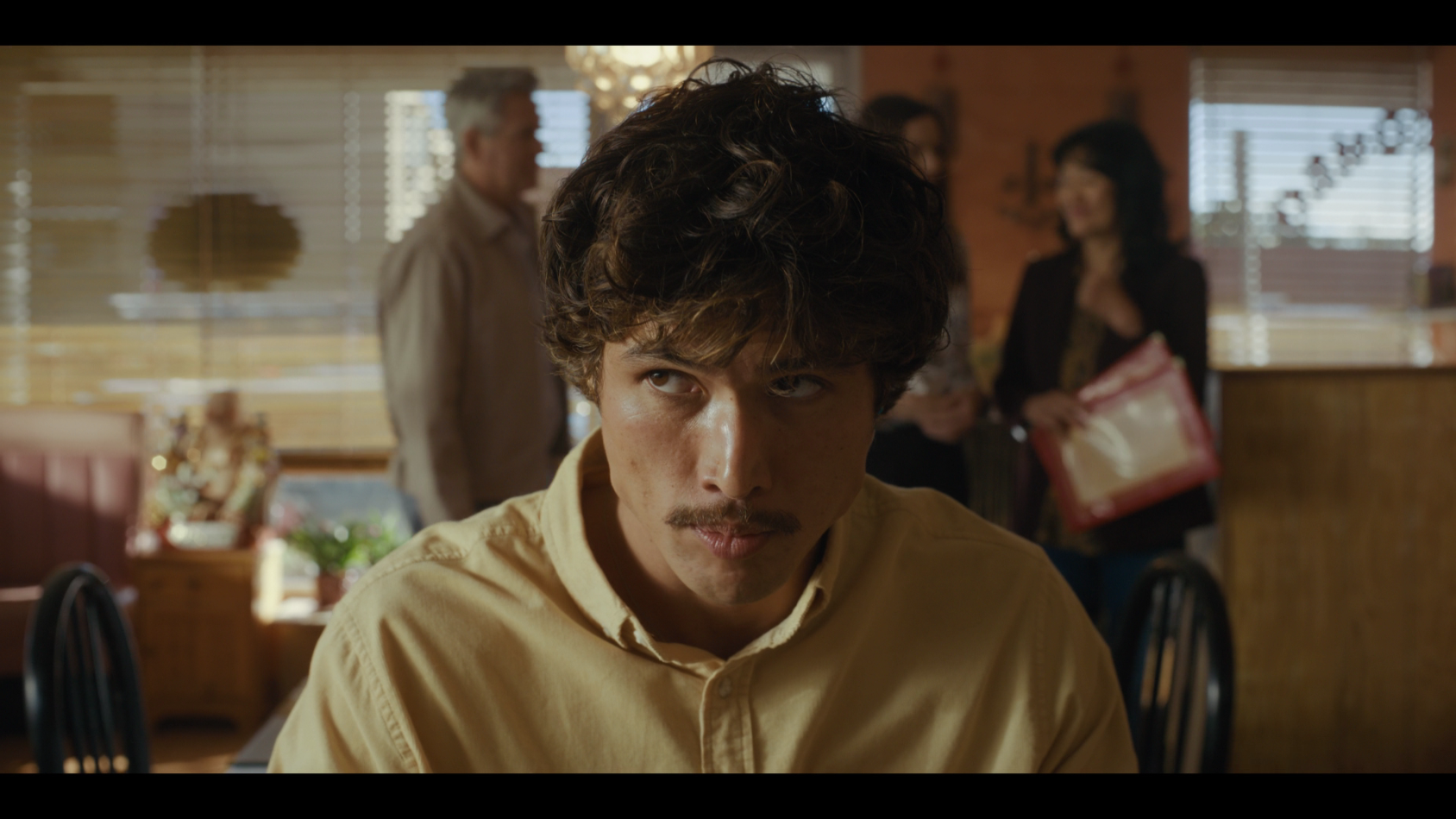
Exclusive spaces amplify secrecy and pressure
Elite institutions often present themselves as calm and controlled environments. Beneath that surface, however, they operate through networks of reputation, loyalty, and quiet negotiation. Problems rarely disappear through open confrontation. They are contained through influence and discretion.
By situating the narrative inside such a space, the series introduces a new type of tension. Every interaction carries the possibility of exposure. Information becomes valuable, and silence becomes a tool.
Characters must constantly calculate their responses. Speaking openly risks destabilizing relationships that depend on appearances. Remaining silent, however, allows hidden tensions to grow stronger.
This dynamic transforms the setting into something more than a backdrop. The environment itself becomes an active force that shapes behavior, encouraging manipulation instead of honesty.

Witnessing a moment of vulnerability changes the balance of power
A single observed conflict can disrupt an entire social structure. When individuals who exist outside the center of power suddenly possess knowledge that could damage those above them, the hierarchy becomes unstable.
Observation turns into leverage.
For those who witness such moments, the knowledge creates both opportunity and danger. Revealing the truth might expose injustice, but it also invites retaliation from those who have far more resources to protect themselves.
That dilemma introduces a moral ambiguity that defines much of the season’s psychological tension. Characters are not simply choosing between right and wrong. They are deciding how much risk they are willing to accept in a system designed to protect the powerful.
The quiet weight of that decision drives the narrative forward.
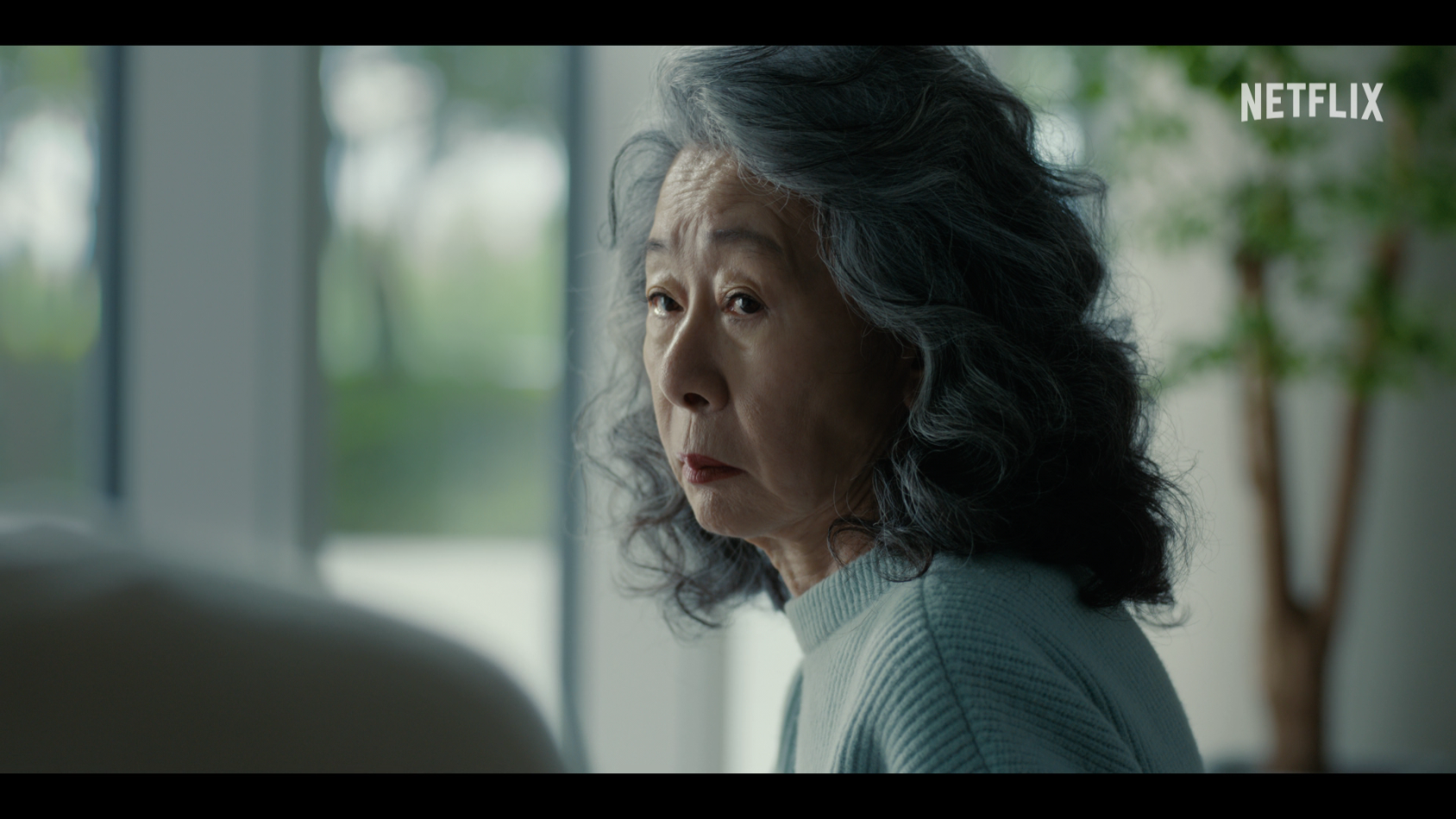
Politeness masks hostility in environments built on privilege
One of the most fascinating aspects of exclusive communities is how carefully they maintain appearances. Civility and etiquette are treated as essential virtues, reinforcing the illusion of harmony among members.
Yet such environments rarely eliminate resentment. They simply force it to adopt subtler forms.
Politeness becomes a performance that hides competition, jealousy, and suspicion. Conversations carry hidden meanings, and friendly gestures may conceal strategic intentions.
Within this context, anger cannot erupt openly without consequences. Instead, it circulates quietly through insinuation, manipulation, and social maneuvering.
This restrained hostility aligns perfectly with the thematic core of the series. The narrative has always explored how individuals attempt to suppress uncomfortable emotions until those emotions inevitably find another way to emerge.

Strategic conflict replaces impulsive escalation
The earlier narrative style relied heavily on unpredictability. Characters reacted impulsively, and their emotional decisions created a cascade of consequences that quickly spiraled out of control.
The new framework appears far more deliberate. Characters watch each other carefully, anticipating weaknesses and calculating responses before acting.
This slower rhythm changes the tone of the series dramatically. Instead of witnessing chaotic escalation, viewers observe a careful contest in which each move is designed to provoke a reaction from someone else.
Psychological tension replaces raw emotional volatility.
Such an approach allows the narrative to explore a wider range of motivations. Characters are no longer driven solely by frustration or humiliation. They are navigating complex systems of reputation and influence.
Every action becomes a form of strategy.
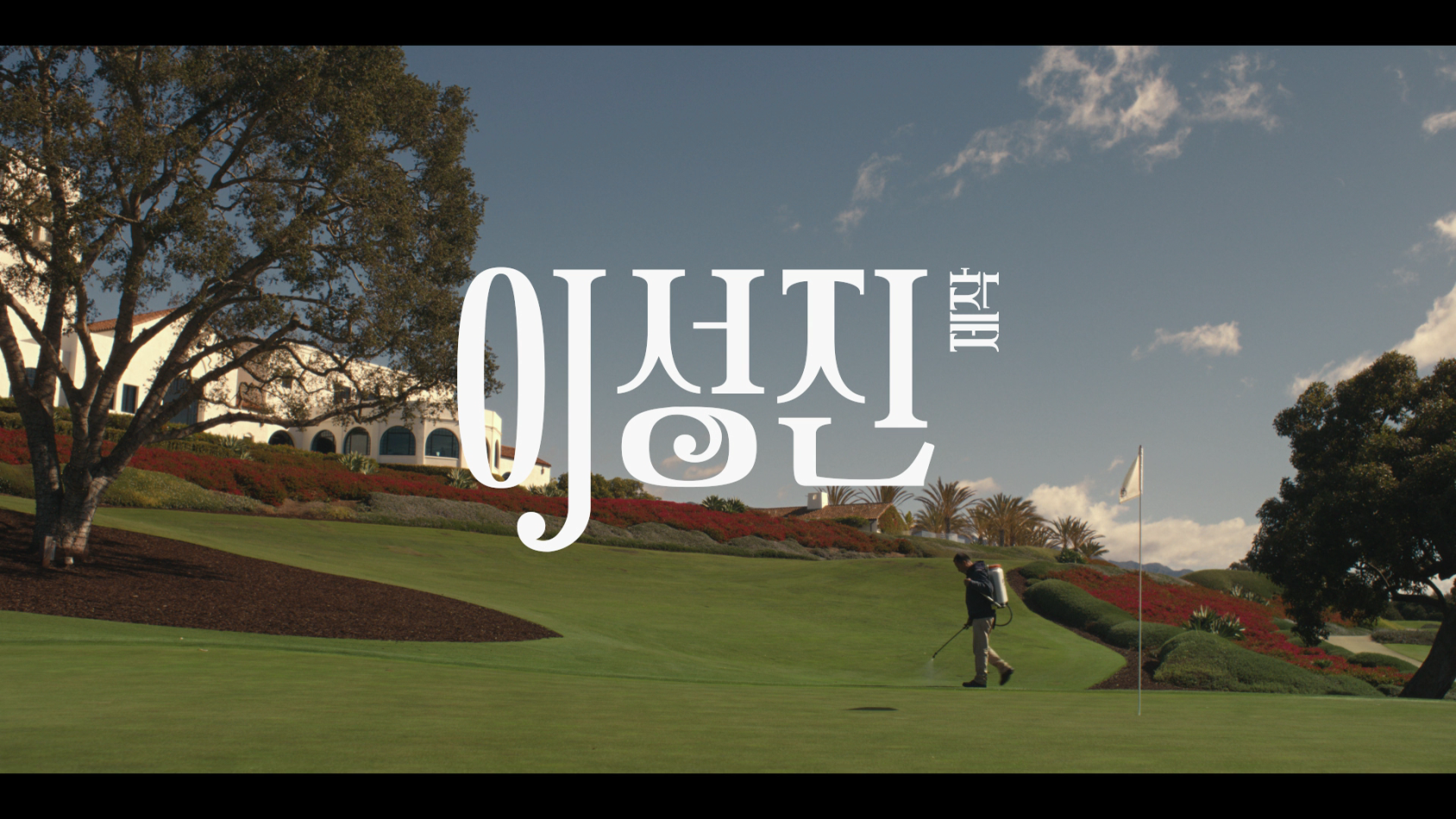
Privilege creates the illusion of stability
Wealth and status often give the impression that life operates according to predictable rules. Those who hold influence believe they can manage crises through negotiation, reputation, or control of information.
Yet the more carefully those systems are maintained, the more fragile they become. A single unpredictable event can expose how dependent they are on secrecy and perception.
When that exposure occurs, the resulting instability spreads quickly. Individuals who once felt secure begin scrambling to protect themselves. Alliances shift, and trust becomes difficult to maintain.
The narrative seems particularly interested in this moment when confidence dissolves into anxiety. Watching characters attempt to regain control reveals how little control they truly possess.

Information becomes the most dangerous currency
In social environments defined by power and reputation, knowledge can be more influential than wealth itself. Information determines who can manipulate events and who becomes vulnerable to manipulation.
Characters who understand this dynamic treat every conversation as an opportunity to gather or conceal details. A rumor, a confession, or a witnessed argument can alter the balance of power dramatically.
The tension of the story emerges from the constant movement of this invisible currency. Information passes between individuals quietly, shaping decisions long before any visible conflict occurs.
What appears to be a calm interaction may actually conceal a carefully constructed negotiation.
Anger reveals the deeper instability beneath social order
Despite the expanded setting and broader cast of characters, the emotional core of the series remains consistent. Anger continues to function as a lens through which hidden insecurities become visible.
People rarely express rage without cause. It often signals feelings that have been suppressed for far too long: humiliation, fear, resentment, or a sense of injustice that has never been addressed.
In environments where maintaining appearances is essential, those emotions become even more dangerous. They cannot be acknowledged openly, yet they refuse to disappear.
The longer they remain hidden, the more powerful they become.
When they finally surface, the consequences are rarely contained.
Control is often just another form of illusion
The most compelling psychological dramas often revolve around the belief that situations can be controlled. Characters develop elaborate strategies, assuming that careful planning will protect them from unpredictable outcomes.
Yet human relationships rarely obey such calculations. Each attempt to manage a conflict introduces new variables that cannot be anticipated.
The story appears poised to explore that contradiction. As characters attempt to manipulate events to their advantage, their actions may inadvertently create even greater instability.
Control becomes an illusion maintained only until reality disrupts it.
The world of BEEF Season 2 suggests a fascinating shift in focus. Anger no longer erupts in isolated personal encounters. Instead, it moves through a structured network of privilege, secrecy, and influence where every decision carries broader consequences.
When resentment enters a space defined by wealth and reputation, the stakes become far more complex than personal revenge. Each character must decide whether to protect the existing order, challenge it, or quietly exploit it.
In such a world, the most important question may not be who becomes angry, but who ultimately benefits when that anger finally breaks through the surface.